
How gaming feels on Apple Vision Pro
Gaming has always evolved alongside technology, from keyboards and controllers to touchscreens and motion sensors. With the arrival of Apple Vision Pro, gaming enters a different phase, one shaped by spatial computing rather than flat screens. For many players, especially those curious about word games, brain training, or casual experiences, the question is not about graphics power or competitive performance. It is about how gaming actually feels when the screen disappears and play takes place within the surrounding space.
This article explores that feeling in practical terms. It explains what gaming on Apple Vision Pro is, how interaction works, how different types of games translate to this format, and what users can realistically expect from the experience over time.
What gaming means on Apple Vision Pro
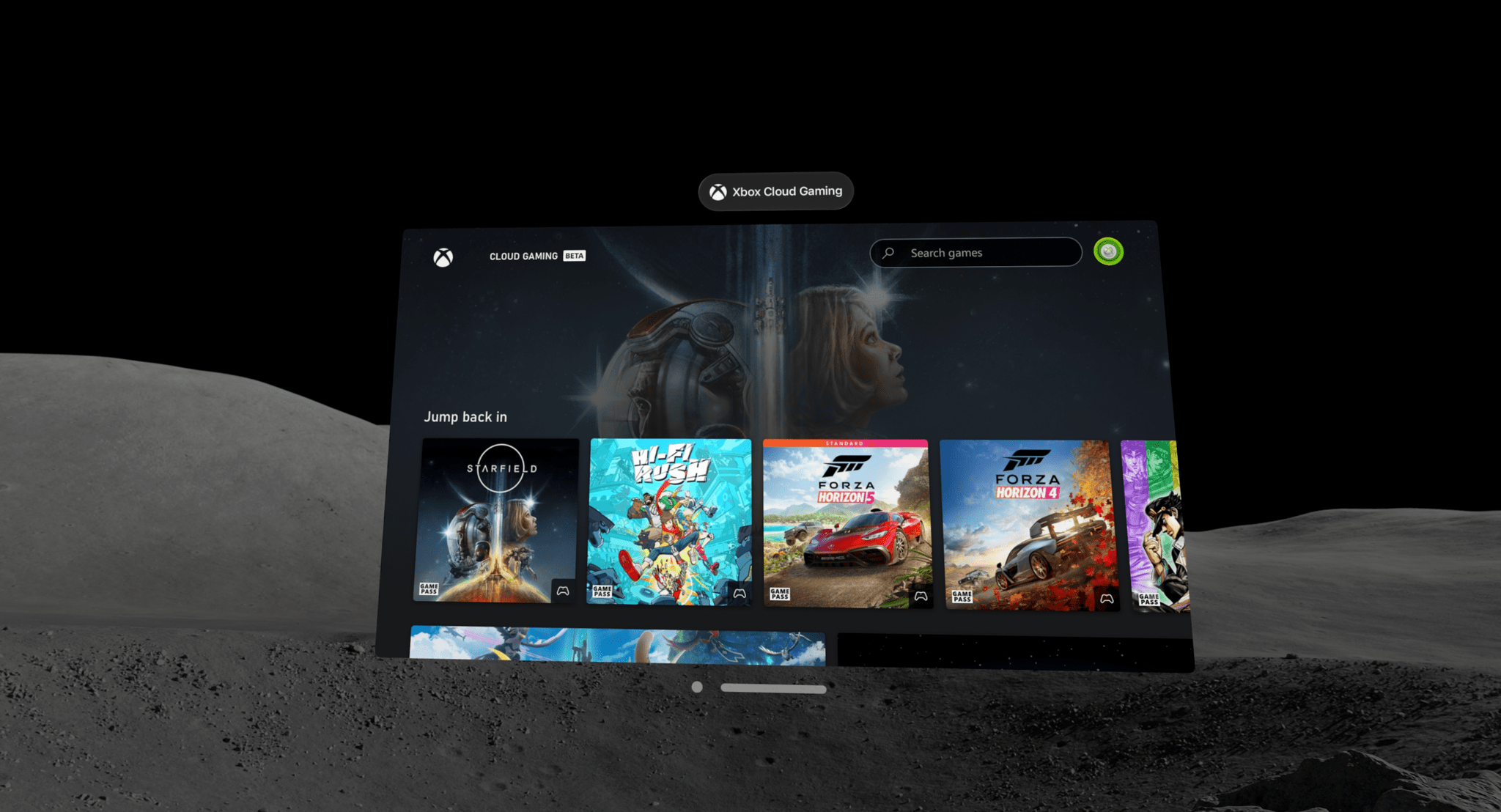
Gaming on Apple Vision Pro is not defined by traditional virtual reality or console-style play. Instead of isolating the user in a fully virtual world, Vision Pro blends digital content with the physical environment. Games exist as spatial elements that can float in front of the player, rest on a table, or expand across a room.
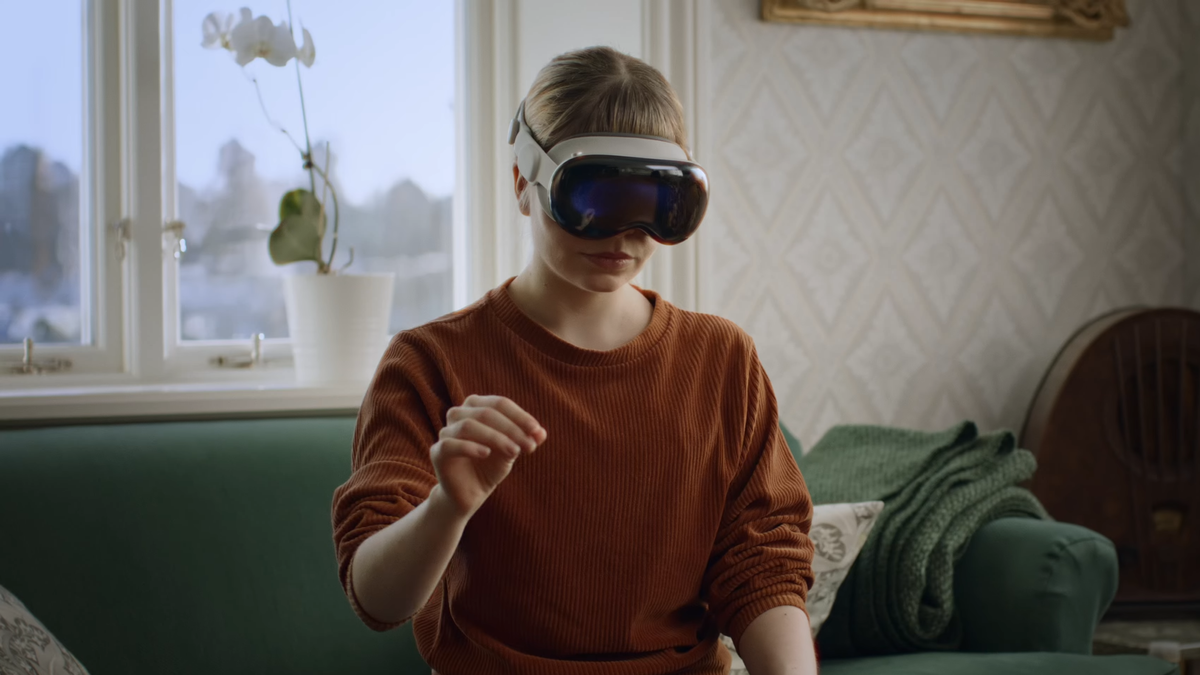
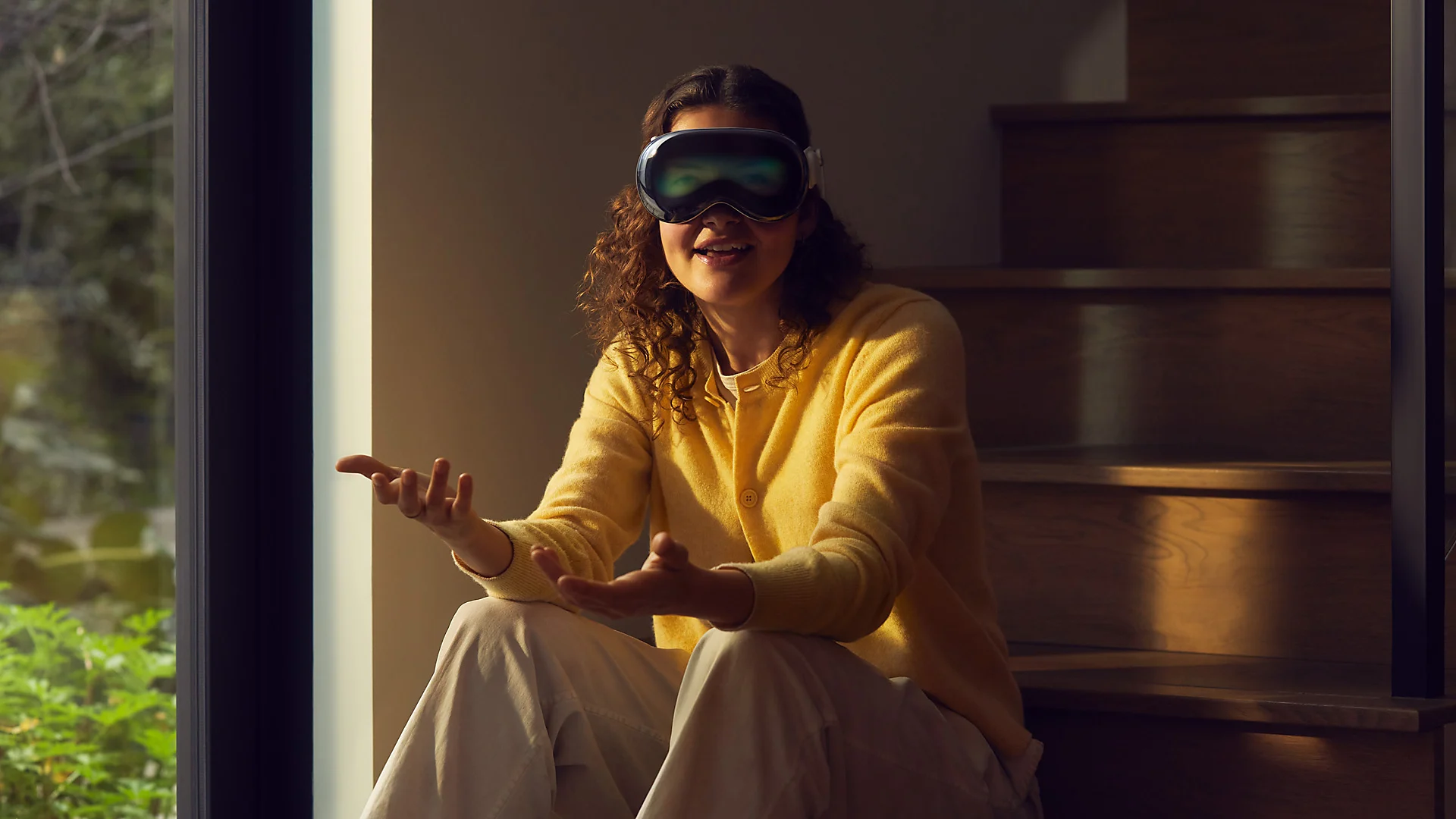
This approach changes the role of the player. Rather than holding a controller or staring at a distant screen, the user interacts through eye tracking, hand gestures, and subtle movements. For beginners, this often feels closer to interacting with everyday objects than learning a complex control scheme.
Games can be fully immersive, partially immersive, or simply displayed as large, high-resolution panels. This flexibility allows different genres to coexist without forcing a single style of play.
First impressions for beginners
For people new to spatial computing, the initial gaming experience is often defined by clarity and calmness rather than intensity. Vision Pro places emphasis on legibility, depth, and stability. Text appears sharp, interfaces feel anchored, and motion is intentionally controlled to reduce discomfort.
Word games and puzzle-based experiences benefit particularly from this design. Letters, grids, and symbols can be positioned at a comfortable distance, reducing eye strain compared to smaller screens. The sense of space makes it easier to focus on a single task without external distractions.
Many first-time users notice that gaming feels slower and more deliberate. This is not a limitation, but a reflection of the platform’s emphasis on precision and comfort rather than speed.
Interaction without controllers
One of the most distinctive aspects of gaming on Apple Vision Pro is the absence of physical controllers in most experiences. Interaction relies on a combination of:
- Eye tracking to select elements
- Hand gestures to confirm actions
- Natural head movement to adjust perspective
For casual games, this interaction model feels intuitive. Looking at a letter tile and tapping fingers together to select it becomes second nature after a short adjustment period. The lack of buttons lowers the entry barrier for users who may not consider themselves gamers.
However, this interaction style also shapes the types of games that feel natural. Experiences that require rapid input or complex combinations are less common, while thoughtful, turn-based, or exploratory games feel more at home.
How word games translate to spatial play
Word games adapt especially well to Vision Pro because they rely on clarity, focus, and mental engagement rather than reflexes. In a spatial environment, word grids can be arranged at eye level, expanded for readability, or repositioned to match the player’s posture.
This has subtle but meaningful effects on gameplay:
- Reduced visual clutter improves concentration
- Adjustable distance helps with long sessions
- Spatial separation of elements supports complex puzzles
Instead of being confined to a fixed screen size, the game becomes a flexible workspace. This can make crosswords, anagrams, and vocabulary challenges feel more like interactive thinking tools than traditional games.
Cognitive engagement and comfort
Gaming on Vision Pro places strong emphasis on mental engagement without physical strain. Because the device tracks eye and hand movement precisely, minimal effort is required to interact. This is particularly relevant for brain training and word-based games, where extended sessions are common.
Comfort plays a central role in how gaming feels over time. Vision Pro allows users to remain aware of their surroundings, reducing the sense of isolation. Lighting, room layout, and posture all influence the experience, making it easier to integrate gaming into daily routines.
For adults interested in cognitive exercise rather than entertainment alone, this balance between engagement and comfort is a defining feature.
Visual presence and immersion
Even when games are simple in design, their visual presence feels substantial. Floating panels appear anchored in space, and virtual objects maintain consistent scale and depth. This creates a sense of presence without overwhelming the user.
Unlike fully immersive VR, Vision Pro allows players to control how much of their environment is visible. This adjustable immersion supports a wide range of preferences, from focused gameplay to casual interaction while remaining aware of the room.
For word games and logic puzzles, this controlled immersion enhances focus without disconnecting the player from reality.
Comparing spatial gaming to traditional screens
Compared to phones, tablets, or monitors, gaming on Vision Pro feels less compressed. Information has room to breathe, and interfaces are not constrained by fixed dimensions. This can improve readability and reduce cognitive overload.
At the same time, traditional screens still offer advantages for portability and quick access. Vision Pro gaming feels more intentional. Sessions are planned rather than spontaneous, and the experience encourages deeper engagement over longer periods.
Rather than replacing existing platforms, Vision Pro introduces an alternative way to interact with familiar game concepts.
Limitations and realistic expectations
While the experience offers clear benefits, it also comes with practical limitations. Vision Pro is not designed for fast-paced competitive gaming, and its interaction model prioritizes precision over speed.
Physical comfort depends on proper fit and session length. Although the device is designed for extended use, breaks remain important. Battery life and setup time also influence how frequently gaming fits into everyday habits.
Understanding these constraints helps set realistic expectations and appreciate the platform for what it offers rather than what it does not aim to replace.
Long-term relevance of spatial gaming
Gaming on Apple Vision Pro represents a broader shift in how digital experiences are designed. By integrating play into physical space, it aligns gaming with productivity tools, learning environments, and creative workflows.
For word games and cognitive challenges, this convergence is especially meaningful. Games become part of a broader ecosystem focused on mental engagement, comfort, and adaptability.
Over time, spatial gaming may influence how people perceive casual play, turning it into a more thoughtful and integrated activity rather than a distraction.
When play feels like thinking space
Gaming on Apple Vision Pro feels less like escaping into another world and more like shaping a personal thinking environment. For word games, puzzles, and cognitive experiences, this shift matters. The absence of a traditional screen removes a boundary, allowing play to exist within everyday space.
Rather than redefining gaming through intensity or spectacle, Vision Pro changes the feeling of play itself. It becomes quieter, more deliberate, and more closely tied to focus and comfort. For many players, especially those drawn to word games and mental challenges, this may be its most lasting contribution.
