
Short daily gaming sessions are built around brief, focused interactions that fit naturally into everyday routines. Rather than long play periods, these games are designed to deliver value in five to fifteen minutes. On emerging platforms such as Apple Vision Pro, this approach aligns well with how many users explore spatial computing: in measured, intentional moments rather than extended marathons.
For a general audience, short-session games lower the barrier to entry. They reduce fatigue, simplify learning curves, and make it easier to return consistently. For adults interested in word games or cognitive training, these experiences offer mental engagement without demanding large blocks of time or physical effort.
What makes Vision Pro suitable for brief play sessions
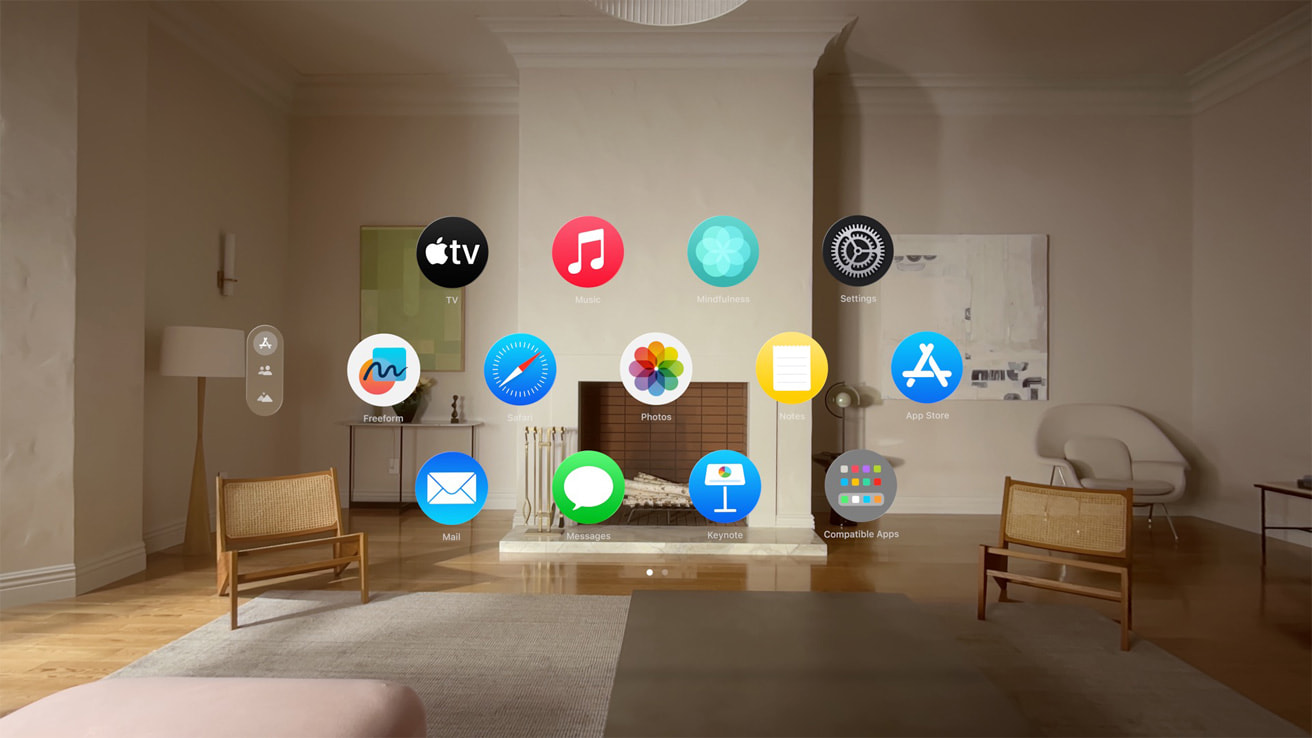
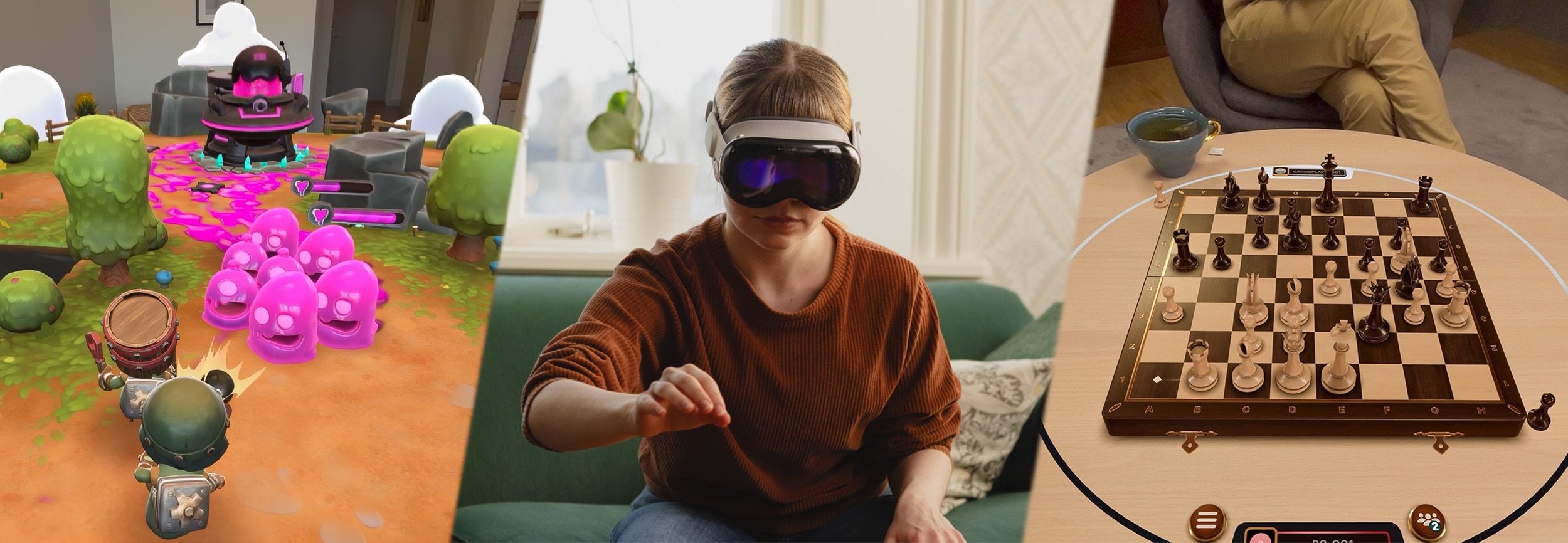
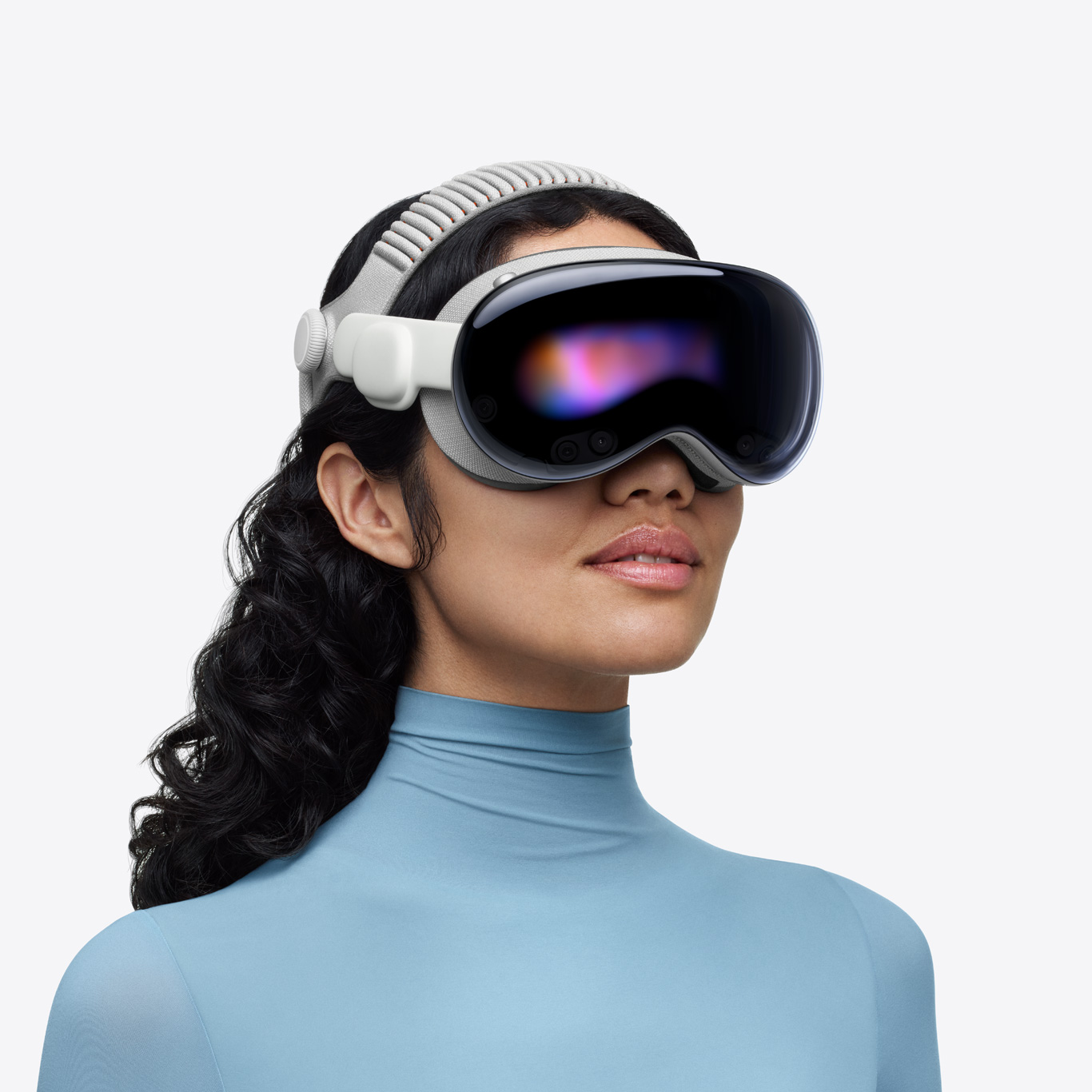
Vision Pro introduces a form of interaction that blends digital content with the physical environment. Games are no longer confined to a handheld screen or television. Instead, they exist within the user’s field of view, controlled through eye tracking, hand gestures, and subtle movements.
This interaction model favors short sessions for several reasons. Spatial interfaces require attention and presence, which can be mentally demanding over long periods. Short games respect comfort limits while still allowing users to benefit from immersion. They also adapt well to casual contexts, such as a break between tasks or a quiet moment in the evening.
From a usability perspective, short sessions help users become familiar with spatial controls gradually. Simple gestures, gaze selection, and minimal menus make it possible to engage quickly without lengthy setup or calibration.
Word games as a natural fit for spatial play
Word-based games are particularly compatible with short daily sessions. Their mechanics are typically turn-based, puzzle-oriented, or score-driven, allowing progress without continuous action. In spatial computing, words can be placed around the user in readable, comfortable positions, reducing eye strain and encouraging relaxed interaction.
For beginners, word games offer familiar structures such as spelling challenges, vocabulary puzzles, and pattern recognition. These formats translate well into mixed reality without requiring fast reflexes or complex navigation. A short session can feel complete even when only one puzzle or round is played.
Word games also benefit from clarity. Clear typography, readable contrast, and stable positioning are essential in spatial environments. When designed well, they provide a calm, focused experience that suits daily repetition.
Cognitive engagement in limited timeframes
One of the main reasons people choose short-session games is cognitive stimulation. Word games are often associated with language skills, memory, and logical thinking. In brief sessions, the goal is not exhaustive training but consistent mental activation.
A five-minute word challenge can activate vocabulary recall, pattern recognition, and attention. Over time, these small engagements may support mental sharpness without becoming overwhelming. This is especially relevant for adults who want intellectual activity without the intensity of competitive or fast-paced games.
Short sessions also encourage habit formation. When games are easy to start and finish, users are more likely to return daily. Consistency matters more than duration when it comes to long-term engagement.
Interaction methods and comfort considerations
Comfort is a key factor in Vision Pro gaming. Short sessions help manage physical and visual comfort by limiting prolonged headset use. Games designed for brief play often avoid excessive movement, rapid visual changes, or demanding hand gestures.
Most short-session games rely on:
- Gaze-based selection for letters or words
- Simple pinch or tap gestures to confirm choices
- Minimal spatial movement to keep the experience stable
These interaction methods reduce fatigue and make the experience accessible to a wider audience, including users who are new to spatial computing. Clear feedback and predictable responses are especially important when sessions are brief, as users should not spend time relearning controls.
Practical examples of short-session experiences
In practice, short-session Vision Pro games often follow a clear structure. A user may enter a word puzzle that presents a limited set of challenges, complete one or two tasks, and exit without penalty. Progress is typically saved automatically, allowing continuity across sessions.
Examples of effective short-session formats include daily word challenges, timed vocabulary puzzles, and score-based spelling rounds. These formats create a sense of completion even in a few minutes, which reinforces satisfaction and encourages return visits.
Because the sessions are brief, games often emphasize clarity over complexity. Instructions are concise, goals are explicit, and results are shown immediately. This design philosophy aligns well with the expectations of casual players.
Comparisons with traditional platforms
Compared to mobile or desktop word games, Vision Pro adds spatial depth and presence. However, short-session design principles remain similar across platforms. The difference lies in presentation and interaction rather than core mechanics.
On Vision Pro, words can appear at comfortable distances, reducing the need to focus on a small screen. The environment can remain visible, which helps users stay oriented and relaxed. This contrasts with traditional platforms where attention is fully absorbed by a flat display.
Despite these differences, short-session expectations remain consistent. Players want quick access, clear objectives, and meaningful outcomes without extended commitment.
Benefits and realistic limitations
Short daily sessions offer several benefits for Vision Pro users. They support regular engagement, reduce fatigue, and make spatial gaming approachable. Word games, in particular, provide intellectual stimulation without physical strain.
At the same time, there are realistic limitations. Short sessions may limit narrative depth or long-term progression. Some users may prefer longer, more immersive experiences for entertainment. Vision Pro games designed for brief play should not attempt to replace deep gaming experiences but complement them.
Understanding these boundaries helps set appropriate expectations. Short-session games are best viewed as part of a balanced digital routine rather than a primary gaming activity.
Long-term relevance of short-session Vision Pro games
As spatial computing becomes more integrated into daily life, short-session experiences are likely to remain relevant. Not every interaction needs to be immersive or time-intensive. Many users will continue to seek lightweight, mentally engaging activities that fit naturally into their schedules.
Word games and similar formats offer stability in this evolving landscape. Their mechanics are timeless, adaptable, and culturally familiar. When paired with thoughtful spatial design, they can remain useful and enjoyable across hardware generations.
Rather than focusing on novelty, the strength of short-session Vision Pro games lies in consistency, comfort, and clarity. These qualities support sustainable use and long-term interest without demanding excessive time or energy.
In everyday moments where focus and calm engagement are valued, short-session games on Vision Pro offer a practical and measured way to explore spatial computing. They demonstrate that meaningful interaction does not require extended play, only thoughtful design and respect for the user’s time.
