


Word games have always occupied a special place in digital entertainment. They are accessible, mentally stimulating, and flexible enough to fit short sessions or longer periods of focused play. As computing platforms evolve, the way people interact with language-based games is also changing. Vision Pro introduces a new interaction model that combines spatial computing, hands-free control, and a distraction-reduced environment, making it a particularly natural home for word games.
This article explains why Vision Pro aligns so well with word-based gameplay, from basic concepts for newcomers to practical use cases and realistic expectations for long-term use. The focus is on experience, usability, and cognitive engagement rather than spectacle or novelty.
Understanding word games and their appeal
Word games are built around language as the primary mechanic. Players solve puzzles, form words, recognize patterns, or expand vocabulary through structured challenges. Unlike fast-paced action games, word games emphasize clarity, attention, and deliberate thinking.
Their enduring appeal comes from several characteristics:
- Low barriers to entry, with rules that are easy to understand
- Cognitive engagement without physical strain
- Flexible session lengths suitable for casual play
- Broad age appeal, from students to older adults
Because of these qualities, word games often benefit more from improved readability, comfort, and focus than from raw processing power or complex graphics.
What makes Vision Pro different as a platform
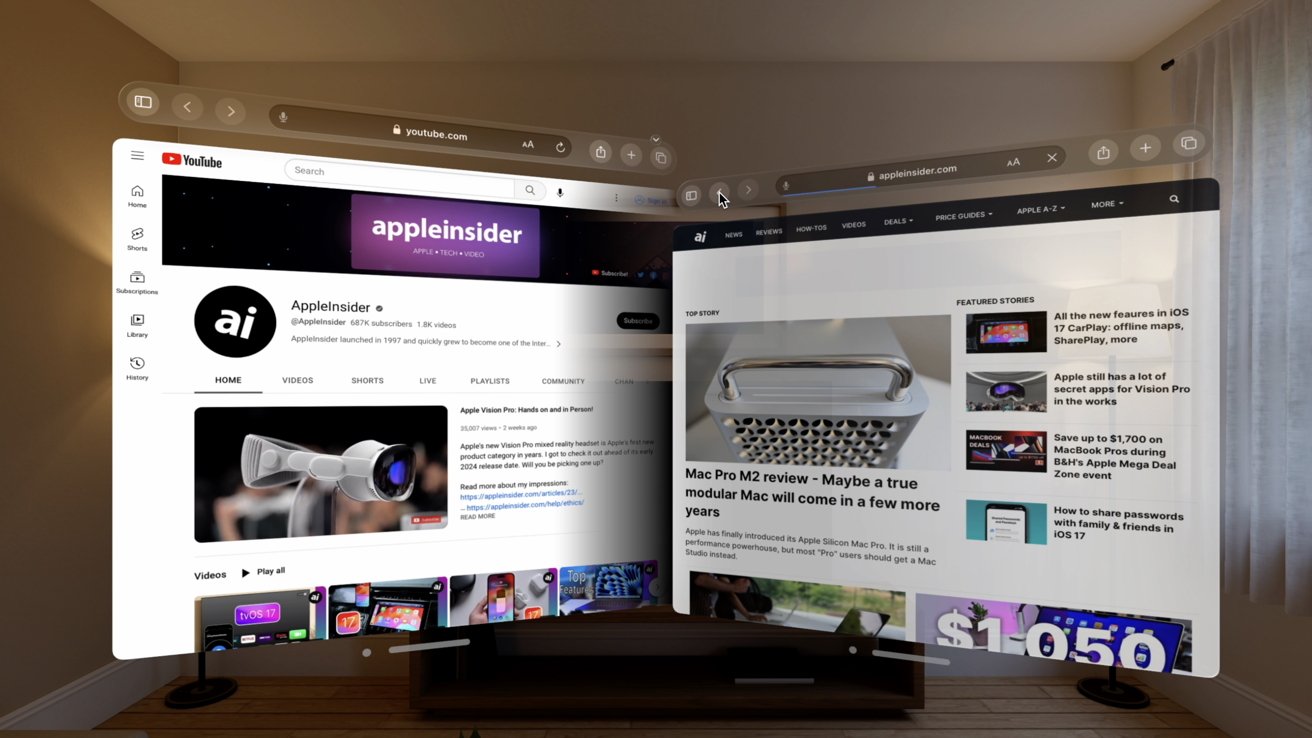
Vision Pro introduces spatial computing, where digital elements are placed within a three-dimensional environment instead of being confined to a flat screen. For users unfamiliar with the concept, this means apps appear as floating, resizable windows that coexist with the physical world.
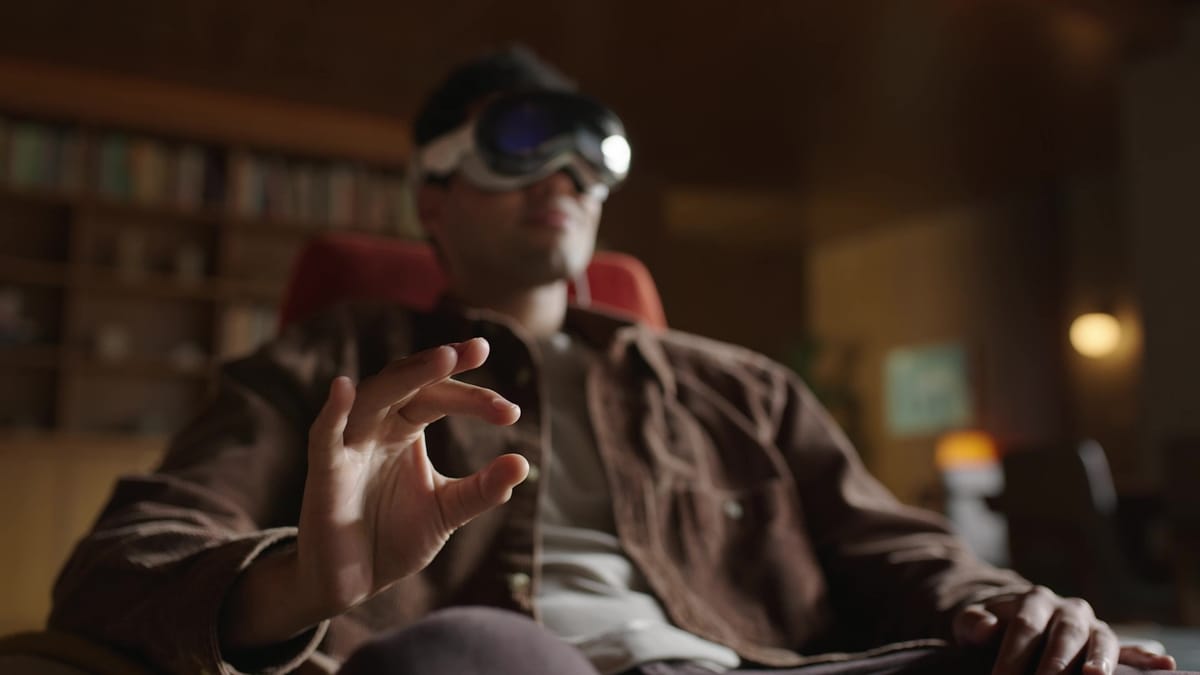
Interaction is handled primarily through:
- Eye tracking to select elements
- Hand gestures to confirm actions
- Voice input when text entry is needed
For word games, this interaction model emphasizes calm, precise input rather than speed or reflexes. This aligns closely with how language-based games are played.
Readability and visual clarity for language-focused play
One of the most important factors in word games is text clarity. Letters, grids, definitions, and hints must be easy to read for extended periods. Vision Pro allows text to be displayed at a comfortable size and distance, independent of physical screen limitations.
Instead of leaning toward a phone or adjusting posture at a desk, players can position word grids or clues directly within their natural field of view. This can reduce eye strain and make longer sessions more comfortable, especially for adults who enjoy word puzzles as part of a daily routine.
A distraction-controlled environment
Word games reward focus. Notifications, background movement, or competing apps can interrupt the mental flow required to solve puzzles or explore vocabulary. Vision Pro supports controlled environments where visual distractions can be minimized.
By placing the game in a dedicated spatial area and dimming surrounding elements, players can create a sense of mental separation similar to reading a book in a quiet room. This is particularly beneficial for word games that rely on memory, association, or pattern recognition.
Natural interaction without complex controls
Traditional gaming controllers are unnecessary for most word games, yet touchscreens can still introduce friction, especially during longer sessions. Vision Pro’s gaze-and-gesture system reduces physical effort while maintaining precision.
Common word game actions such as selecting letters, confirming answers, or navigating menus can be performed with subtle hand movements. This makes the experience accessible to users who may not consider themselves gamers but enjoy puzzles and language challenges.
Cognitive training and sustained engagement
Many people play word games for mental exercise rather than competition. Vision Pro’s immersive presentation can support this use case by encouraging deeper engagement without overstimulation.
Benefits often associated with word games include:
- Vocabulary reinforcement
- Improved spelling and pattern recognition
- Memory recall and associative thinking
- Sustained attention and problem-solving
When these activities are presented in a calm, immersive environment, the experience feels closer to focused learning than casual distraction.
Practical use cases in everyday life
Vision Pro is particularly well suited to short, intentional play sessions. Word games can fit naturally into moments such as early mornings, breaks between tasks, or evening wind-down routines.
Examples of practical use include:
- Daily word challenges displayed alongside a virtual workspace
- Language-learning word games used as supplementary practice
- Puzzle-based relaxation without switching devices or locations
Because Vision Pro supports multitasking in spatial layouts, players can transition smoothly between work, reading, and word games without breaking immersion.
Comfort considerations for longer sessions
Comfort plays a significant role in whether a platform is suitable for mentally focused games. Word games often involve longer periods of stillness and concentration, making ergonomic design important.
Vision Pro allows users to adjust window height, distance, and orientation, reducing neck and eye strain. While extended sessions still require breaks, the flexibility of spatial positioning offers advantages over fixed screens.
Comparisons with traditional screens
Compared to phones or tablets, Vision Pro offers:
- Larger, adjustable text without physical constraints
- Reduced reliance on touch input
- A more isolated mental space for focus
Compared to desktop or laptop setups, it removes the need for fixed posture and allows word games to coexist naturally with other digital tasks.
These differences do not replace traditional devices but offer an alternative that emphasizes comfort and immersion for language-focused play.
Limitations and realistic expectations
Vision Pro is not designed exclusively for gaming, and word games will not automatically feel better simply because they are in mixed reality. Developers must still design interfaces thoughtfully to take advantage of spatial interaction.
There are also practical considerations such as device weight, session length, and personal comfort preferences. For some users, traditional screens may remain preferable for quick play. Vision Pro works best when word games are treated as focused, intentional activities rather than background entertainment.
Long-term relevance for word-based experiences
Word games have remained popular across decades because they adapt easily to new formats without losing their core appeal. Vision Pro represents another step in this evolution, emphasizing clarity, comfort, and mental presence rather than novelty.
As spatial computing becomes more familiar, word games are likely to benefit from interfaces that prioritize calm interaction and cognitive depth. Vision Pro provides a platform where language, attention, and immersion intersect in a way that feels natural rather than forced.
A quiet evolution of how we play with words
Word games do not need spectacle to remain relevant. They thrive when the environment supports focus, clarity, and thoughtful interaction. Vision Pro aligns with these needs by offering a flexible, distraction-aware space where language-based play feels intentional and comfortable.
Rather than changing what word games are, Vision Pro refines how they are experienced. It offers a setting where words take center stage, allowing players to engage with language in a way that feels both modern and familiar.
