


What are mixed reality word games
Mixed reality word games are a new category of word-based games that blend digital text, letters, and puzzles with the player’s physical environment. Instead of being limited to a flat screen, these games place words and language challenges into three-dimensional space, allowing players to interact with them using natural movements, gaze, gestures, or controllers.
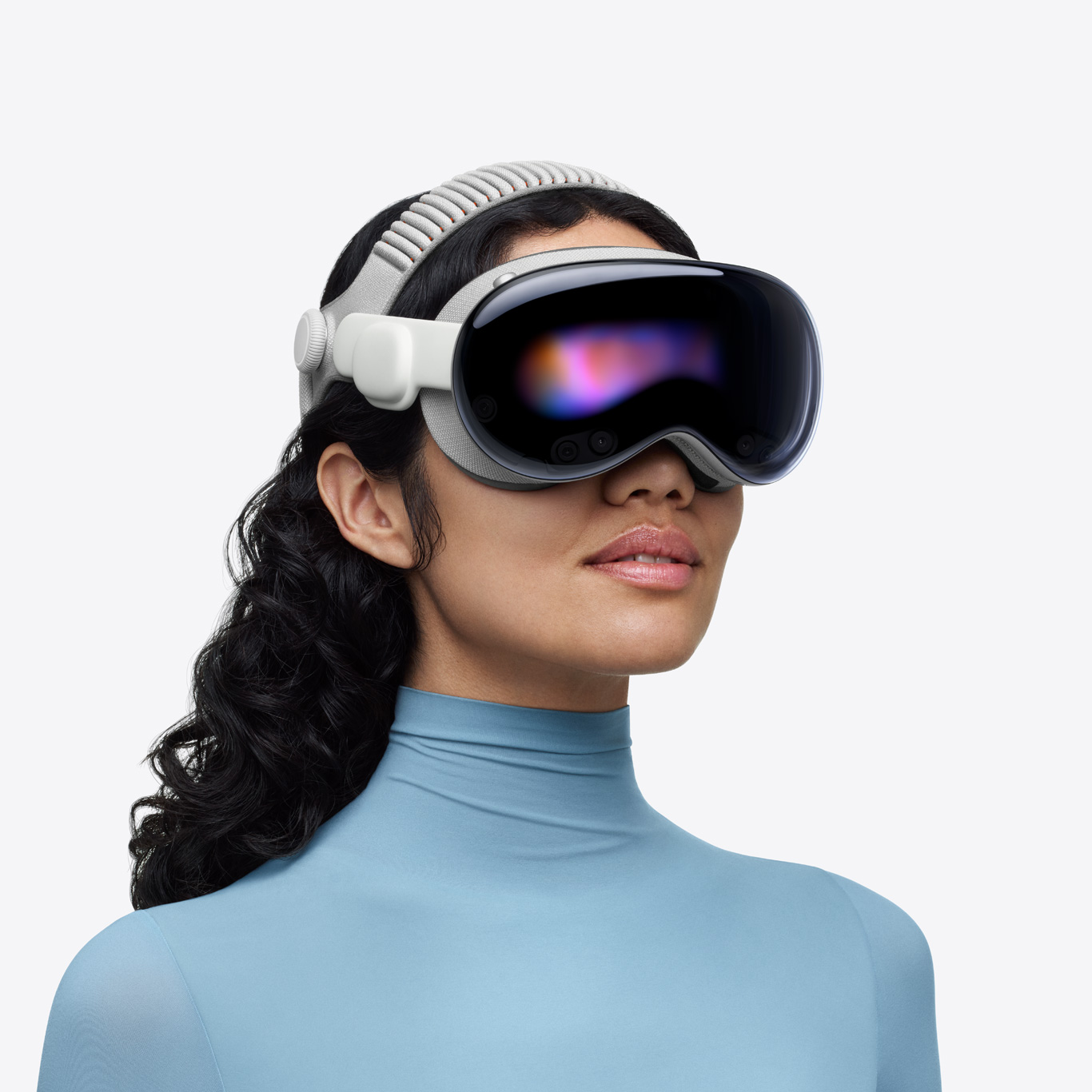
For readers who enjoy word games for relaxation, mental stimulation, or daily brain training, mixed reality introduces a different way to engage with familiar mechanics. It matters because it changes how attention, memory, and problem-solving are involved, while keeping the core appeal of word games intact. As platforms such as Apple Vision Pro bring spatial computing to a wider audience, understanding what mixed reality word games are helps players set realistic expectations and decide whether this format fits their habits and preferences.
Understanding mixed reality in simple terms
Mixed reality sits between traditional digital gaming and the physical world. It combines elements of virtual reality, where everything is digital, and augmented reality, where digital elements are layered on top of the real environment.
In practical terms, mixed reality word games allow letters, words, and puzzles to appear as if they exist in the room around the player. A crossword grid might float above a desk, a word ladder could stretch across a wall, or letter tiles might rest on a virtual table anchored to the real floor.
The player remains aware of their surroundings, which makes the experience less isolating than full virtual reality and more flexible than mobile games that rely on a small screen.
How word games translate into mixed reality
Traditional word games are built around text, symbols, and rules. These elements adapt naturally to mixed reality because words do not require fast reactions or complex physics to remain engaging.
In mixed reality, familiar mechanics are often reimagined spatially:
- Letters can be arranged in three dimensions instead of rows
- Word puzzles can be placed at different distances and heights
- Progress can be visualized as movement through space rather than screens
- Interaction can happen through gaze selection or simple hand gestures
This approach keeps the intellectual challenge of word games while introducing a sense of physical presence that is absent from mobile or desktop versions.
Common interaction methods in mixed reality word games
Interaction is one of the biggest differences between mixed reality word games and traditional formats. Instead of tapping a screen or typing on a keyboard, players use more natural inputs.
Common interaction methods include:
- Eye tracking to select letters or words
- Hand gestures to move, rotate, or confirm choices
- Subtle head movements to navigate menus or puzzle areas
- Optional controllers for precise input when needed
These methods are usually designed to be low-effort, since word games favor comfort and focus over physical intensity.
Cognitive engagement and mental focus
Word games are often associated with cognitive benefits such as vocabulary reinforcement, memory recall, and pattern recognition. Mixed reality changes how these skills are engaged without altering their core purpose.
Because puzzles exist in physical space, players often rely more on spatial memory. Remembering where letters are positioned or where a clue was displayed becomes part of the challenge. This adds an extra layer of mental engagement while remaining accessible to beginners.
At the same time, the slower pace typical of word games helps prevent sensory overload, which can be an issue in more action-oriented mixed reality experiences.
Practical use cases for mixed reality word games
Mixed reality word games fit naturally into short, regular play sessions. They are often used in situations where players want mental stimulation without intense physical effort.
Common use cases include:
- Daily brain training routines
- Relaxing breaks during work or study
- Language practice and vocabulary building
- Low-stress entertainment in seated positions
- Casual play shared in the same physical room
Because the player remains aware of their surroundings, mixed reality word games can feel more compatible with everyday life than fully immersive experiences.
Differences from mobile and traditional word games
While the rules of word games may stay the same, the experience differs noticeably from mobile or desktop versions.
Mobile word games are portable and familiar, but they are limited by screen size and touch input. Mixed reality word games expand the play area into the environment, allowing for larger layouts and more flexible pacing.
Compared to traditional board-based word games, mixed reality offers dynamic layouts and adaptive difficulty, while still maintaining the structured logic that word game enthusiasts value.
The main difference is not difficulty, but presence. Mixed reality encourages sustained attention by placing the puzzle within the player’s field of view rather than behind a handheld device.
Comfort, accessibility, and learning curve
A common concern for newcomers is whether mixed reality word games are difficult to learn or physically demanding. In practice, most are designed to be approachable.
Word games in mixed reality typically:
- Favor seated play
- Avoid rapid movement or constant gestures
- Use clear typography and stable interfaces
- Allow adjustable text size and positioning
This makes them accessible to a wide age range, including players who may not consider themselves traditional gamers.
Limitations and realistic expectations
Mixed reality word games are not meant to replace all other formats. They come with limitations that are important to understand.
Setup time, hardware requirements, and physical space considerations can make mixed reality less spontaneous than mobile games. Sessions may feel more deliberate, even if they are short.
Additionally, not every word game benefits equally from spatial presentation. Some puzzles remain more efficient on flat screens, especially those requiring rapid input or frequent typing.
Understanding these boundaries helps players appreciate mixed reality word games for what they offer, rather than expecting them to outperform every traditional format.
Long-term relevance of mixed reality word games
As spatial computing becomes more familiar, mixed reality word games are likely to remain a niche but stable category. Their appeal lies in combining mental challenge with comfortable, low-intensity interaction.
Rather than chasing novelty, these games build on decades of word game traditions while adapting them to new interfaces. This makes them suitable for long-term use rather than short-lived trends.
For players interested in language, puzzles, and cognitive engagement, mixed reality offers an alternative perspective that emphasizes presence, clarity, and focus.
A quiet evolution of word play
Mixed reality word games do not reinvent word games from scratch. Instead, they quietly evolve how players relate to words, space, and attention. By placing language puzzles into the physical environment, they encourage deeper focus without demanding speed or competition.
For readers exploring new ways to enjoy word games, mixed reality represents an option worth understanding. It respects the simplicity that makes word games enduring, while offering a different way to experience them in everyday spaces.
