
Mixed reality is changing how people interact with digital content, and word puzzles are no exception. Traditionally, word games have lived on paper, mobile screens, or simple computer interfaces. They relied on letters, grids, and clues presented in flat layouts. Mixed reality introduces a different approach by blending digital elements with the physical environment, allowing word puzzles to exist in three-dimensional space around the player.
For readers interested in word games, cognitive training, or emerging platforms, this shift matters because it affects how puzzles are experienced, not just how they look. Mixed reality changes interaction, attention, comfort, and even how players think about language-based challenges. Understanding these changes helps players set realistic expectations and appreciate why word puzzles feel different in mixed reality compared to traditional formats.

Understanding mixed reality in simple terms
Mixed reality sits between virtual reality and augmented reality. Instead of fully replacing the real world or merely overlaying simple graphics, it blends digital objects into the physical environment in a way that allows interaction with both at the same time.
In the context of word puzzles, this means letters, words, or clues can appear anchored to surfaces, floating in space, or arranged around the player. The environment becomes part of the puzzle rather than just a background. Players may look, gesture, or move their heads to interact with words, instead of tapping on a flat screen.
For beginners, the key idea is straightforward: mixed reality turns word puzzles from something you look at into something you are surrounded by.
How traditional word puzzles are structured
Classic word puzzles rely on predictable formats. Crosswords use grids. Anagrams present shuffled letters. Word searches hide terms in rows and columns. These designs work well on paper and screens because they are easy to scan visually and require minimal physical movement.
Cognitive engagement in traditional word games is largely mental. The body stays relatively still, and interaction is limited to writing, clicking, or tapping. This simplicity is one reason word puzzles are widely accessible and popular across age groups.
Mixed reality does not replace these foundations. Instead, it builds on them by changing how information is displayed and how players interact with it.
Spatial presentation of words and letters
One of the most noticeable changes mixed reality brings to word puzzles is spatial presentation. Words no longer need to be confined to a single rectangle or grid. They can be positioned at different depths, angles, and locations in the player’s field of view.
This spatial layout affects how players process information. Instead of scanning left to right or top to bottom, players may look around, focus on specific clusters of letters, or remember where certain words are located in space. This introduces an element of spatial memory alongside linguistic skill.
For example, clues might appear on one side of the room while possible answers float nearby. The act of physically turning toward a word becomes part of the puzzle-solving process.
New interaction methods in word puzzles
Mixed reality changes not only what players see, but how they interact. Traditional word games depend on keyboards, touchscreens, or pens. Mixed reality often uses eye tracking, hand gestures, or subtle head movements.
This shift has practical implications. Selecting letters with a gaze or arranging words using hand motions can feel more natural to some players, but it may also require a short learning period. Interaction design becomes crucial, especially for word puzzles that depend on precision and clarity.
When implemented carefully, these interaction methods reduce friction and allow players to stay focused on the puzzle itself rather than the controls.
Cognitive engagement beyond language
Word puzzles are known for supporting vocabulary, pattern recognition, and problem-solving. Mixed reality adds another layer by engaging spatial awareness and physical presence.
Players are not just solving for the correct word. They are also managing attention across a three-dimensional space. This can make puzzles feel more immersive and mentally demanding in a balanced way, especially for adults interested in brain training.
At the same time, well-designed mixed reality word puzzles avoid overwhelming the player. The goal is to enhance cognitive engagement, not distract from the linguistic challenge.
Comfort and pacing in mixed reality word games
Comfort is an important consideration when word puzzles move into mixed reality. Unlike fast-paced action games, word puzzles benefit from calm pacing and low physical strain.
Effective mixed reality word puzzles are designed to be played seated, with minimal head or arm movement. Text size, contrast, and placement matter more than visual effects. Clear typography and stable positioning help reduce eye fatigue and maintain readability.
Because word puzzles are often played in short sessions, mixed reality experiences that respect natural pauses and allow easy resumption are more likely to feel practical and enjoyable.
Examples of practical use cases
Mixed reality word puzzles are well suited to certain use cases that go beyond entertainment. Educational settings can use spatial word games to support language learning by associating words with objects or locations. Memory training exercises can place words in fixed spatial positions to reinforce recall.
Casual players may appreciate puzzle formats that feel familiar but offer a sense of novelty through spatial interaction. For example, a traditional crossword structure might be expanded into layers, where clues and answers exist at different depths rather than on a single plane.
These use cases show that mixed reality does not need to reinvent word puzzles entirely to be effective.
Comparing mixed reality and mobile word puzzles
Mobile word games prioritize convenience. They are easy to access, quick to play, and optimized for short attention spans. Mixed reality word puzzles trade some of that convenience for immersion and presence.
The difference is not about which format is better, but about how they fit into different habits. Mobile puzzles work well during commutes or brief breaks. Mixed reality puzzles are better suited to intentional sessions where the player wants to focus without distractions.
Understanding this distinction helps set realistic expectations and prevents disappointment when comparing formats designed for different contexts.
Benefits and limitations to keep in mind
Mixed reality offers clear benefits for word puzzles, including deeper immersion, spatial engagement, and more natural interaction. It can make familiar puzzle mechanics feel fresh without relying on gimmicks.
However, there are limitations. Hardware requirements, setup time, and physical comfort all influence how often players choose mixed reality over traditional formats. Not every word puzzle benefits equally from being spatial, and simpler designs often translate best.
Recognizing these trade-offs leads to a more balanced appreciation of what mixed reality can realistically offer word puzzle enthusiasts.
Mixed reality and platforms like Apple Vision Pro
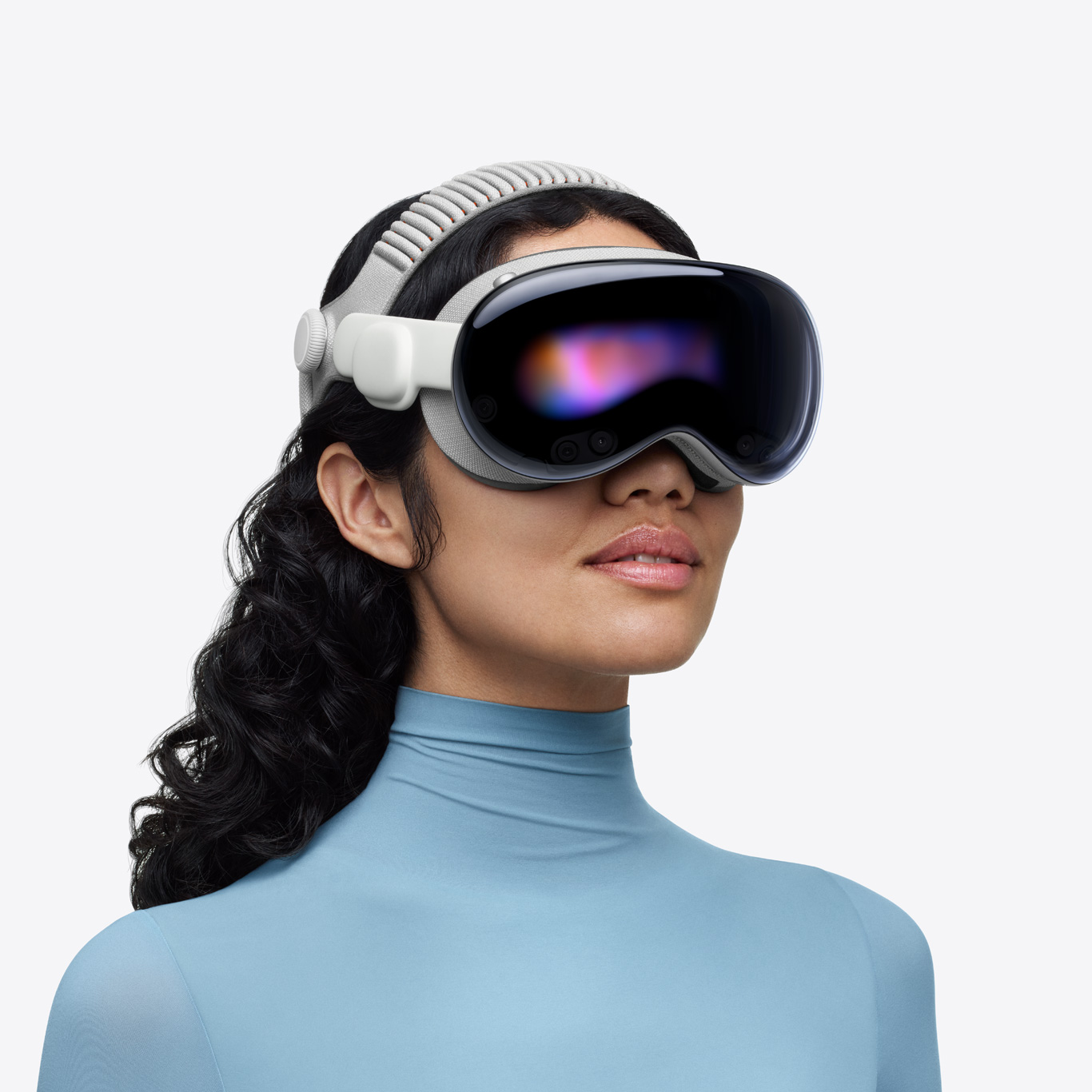
Devices such as Apple Vision Pro highlight how mixed reality is positioned as a productivity and entertainment tool, not just a gaming device. For word puzzles, this positioning matters.
Word games designed for mixed reality platforms often emphasize clarity, calm interaction, and mental focus. They align naturally with the strengths of spatial computing, such as stable text placement, intuitive selection, and comfortable viewing distances.
As mixed reality platforms mature, word puzzles are likely to remain a steady presence because they adapt well to these principles without demanding intense motion or complex controls.
Cultural relevance and long-term appeal
Word puzzles have endured for generations because language itself is timeless. Mixed reality does not change this foundation. Instead, it offers a new way to experience something familiar.
By integrating spatial interaction carefully, mixed reality word puzzles can appeal to both long-time puzzle fans and newcomers curious about emerging platforms. Their long-term relevance depends less on technology trends and more on thoughtful design that respects how people read, think, and solve problems.
In this sense, mixed reality serves as an extension of the word puzzle tradition rather than a departure from it.
Where words and space quietly meet
Mixed reality reshapes word puzzles by adding space, presence, and physical interaction to an otherwise mental activity. It does not replace traditional formats, nor does it need to. Its value lies in offering an alternative way to engage with language, one that feels grounded, immersive, and deliberate.
For players who enjoy word games as a form of focused mental exercise, mixed reality opens up new possibilities without abandoning what makes puzzles satisfying in the first place. Words still matter. Clues still matter. What changes is the space in which they exist.
