
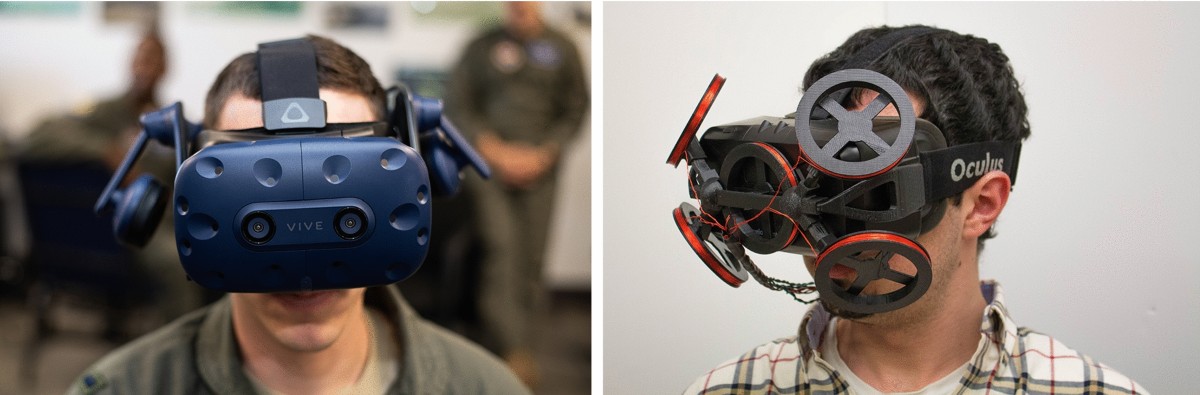
Hands-free gaming in mixed reality
Hands-free gaming in mixed reality refers to interactive experiences that do not rely on traditional handheld controllers. Instead, players use natural inputs such as eye movement, hand gestures, voice commands, and subtle head motions to interact with digital content that appears integrated into the real world. This approach represents a meaningful shift in how games are designed and experienced, especially for audiences interested in comfort, accessibility, and cognitive engagement rather than fast reflexes or physical dexterity.
For many players, including casual gamers and adults exploring word games or brain training, hands-free interaction lowers barriers to entry. It reduces setup complexity, minimizes physical strain, and allows gameplay to blend more naturally into everyday environments. As mixed reality platforms mature, hands-free gaming is becoming a central design principle rather than a niche feature.
Understanding mixed reality and hands-free interaction
Mixed reality combines elements of augmented reality and virtual reality. Digital objects are anchored in the user’s physical surroundings while remaining interactive and responsive. Unlike traditional screen-based gaming, mixed reality places content in three-dimensional space, requiring new methods of interaction.
Hands-free interaction relies on several core technologies working together:
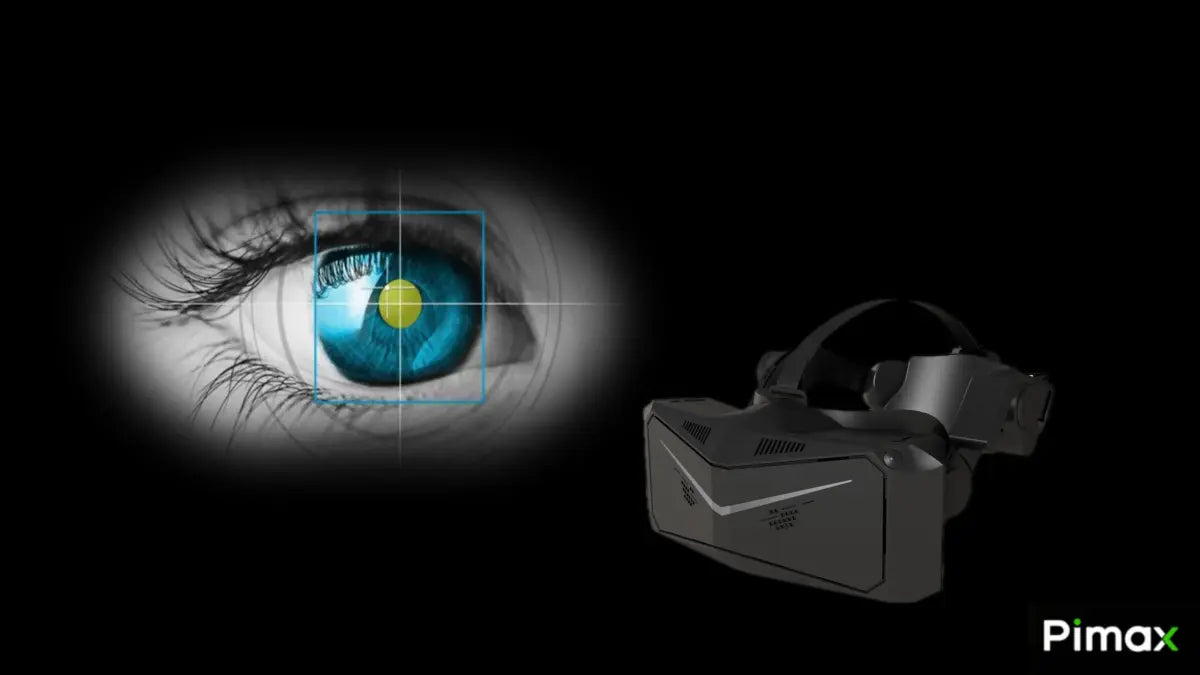
- Eye tracking to detect where the user is looking
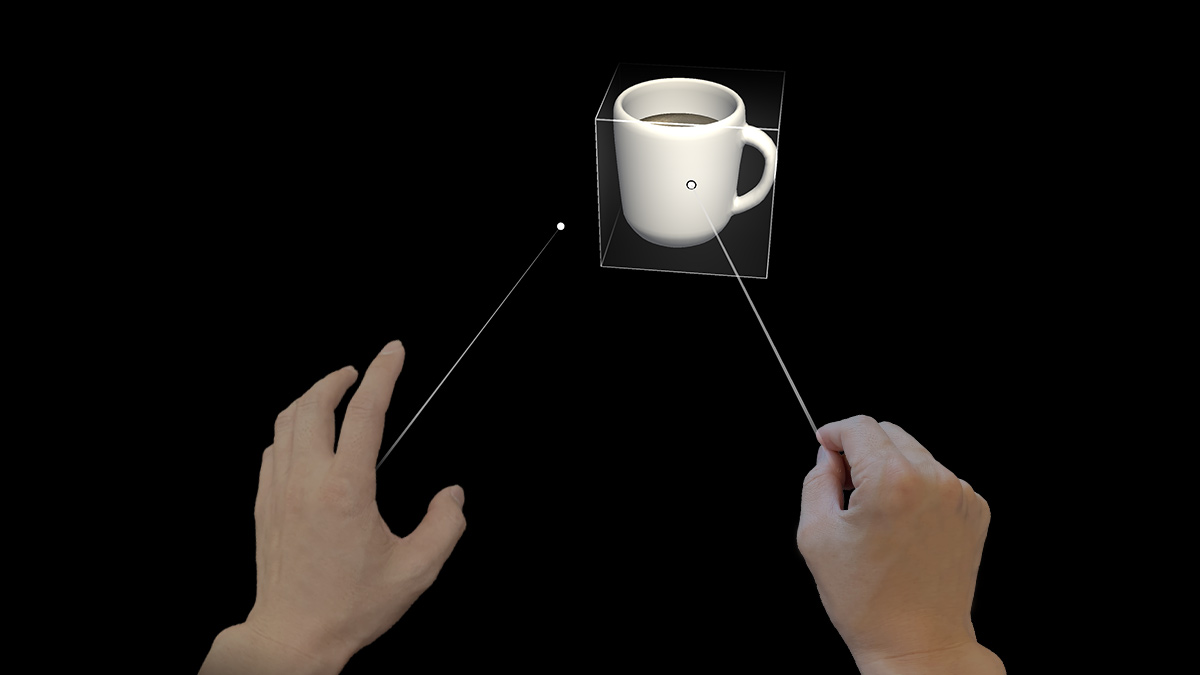
- Hand tracking to recognize gestures without controllers
- Voice recognition for commands, navigation, or text input
- Head and body position tracking to understand spatial context
These systems allow players to select, move, or manipulate game elements using intuitive actions. Looking at a word, pinching fingers in the air, or speaking a response can replace button presses and joystick movements.
Why hands-free gaming matters for a broader audience
Traditional gaming hardware often assumes a certain level of physical ability and familiarity with controllers. Hands-free mixed reality changes that assumption. By using natural human behaviors, it opens gaming to people who may not identify as gamers at all.
For adults interested in word games, puzzles, or cognitive training, hands-free interaction feels closer to reading, thinking, and speaking than to playing a conventional video game. This makes the experience more approachable and less intimidating.
Hands-free design also supports longer, more comfortable sessions. Without the need to grip controllers or maintain fixed postures, players can engage while seated, standing, or even lightly moving around their space.
Hands-free mechanics in word games and brain training
Word-based experiences are particularly well suited to hands-free mixed reality. These games typically emphasize thinking, pattern recognition, vocabulary, and memory rather than rapid physical input.
Common hands-free mechanics in word and puzzle games include:
- Selecting letters or words by looking at them
- Confirming choices with a small hand gesture
- Speaking answers aloud instead of typing
- Rearranging words by dragging them through the air
Because word games often progress at a measured pace, eye and gesture tracking can feel precise rather than frustrating. Players are given time to think, observe, and respond without pressure.
This interaction style supports cognitive training goals by keeping attention focused on the task rather than on managing controls. The absence of physical input devices can reduce distractions and help players stay mentally engaged.
Spatial computing and readability in mixed reality
One of the challenges in mixed reality word games is ensuring readability and comfort. Text must remain clear and stable within a three-dimensional environment. Hands-free interaction places additional importance on visual design because the eyes become a primary input method.
Effective mixed reality word games typically:
- Position text at a comfortable viewing distance
- Use high-contrast fonts and calm color palettes
- Avoid excessive movement that could strain the eyes
- Anchor words to stable surfaces or floating panels
When done well, these choices create an experience that feels closer to reading a book or solving a puzzle on a desk, rather than staring at a glowing screen.
Practical use cases beyond entertainment
Hands-free mixed reality gaming extends beyond leisure. Many experiences blur the line between games, learning tools, and mental exercises.
Practical use cases include:
- Daily vocabulary practice integrated into a living space
- Language learning through spoken interaction and visual cues
- Memory exercises that place words in familiar rooms
- Focus and attention training using minimal physical input
These applications benefit from hands-free design because it keeps the user mentally active while physically relaxed. The experience becomes part of a routine rather than a separate gaming session.
Comfort, accessibility, and fatigue considerations
Comfort is a defining factor in hands-free mixed reality gaming. While removing controllers reduces hand fatigue, other forms of strain must still be considered.
Eye tracking requires sustained visual attention, which can become tiring if interfaces are poorly designed. Voice interaction may feel unnatural in shared spaces or over long periods. Gesture tracking can cause arm fatigue if interactions require exaggerated movements.
Well-designed hands-free games address these issues by:
- Allowing frequent pauses and natural stopping points
- Supporting multiple input methods for the same action
- Minimizing the need for raised arms or large gestures
- Keeping sessions flexible in length
Accessibility is another advantage. Players with limited hand mobility, joint pain, or reduced grip strength may find hands-free gaming significantly more inclusive than controller-based alternatives.
Comparisons with traditional controller-based gaming
Hands-free mixed reality gaming is not intended to replace traditional gaming entirely. Instead, it offers a different experience with distinct strengths and limitations.
Compared to controller-based games, hands-free experiences tend to:
- Favor slower, thoughtful gameplay
- Emphasize comfort and immersion over speed
- Reduce mechanical complexity
- Feel more integrated into daily environments
However, they may be less suitable for fast-paced action games or experiences requiring precise timing. Recognizing these differences helps set realistic expectations and highlights why word games and cognitive experiences are often a natural fit.
Long-term relevance of hands-free mixed reality gaming
Hands-free interaction aligns with broader trends in technology toward natural interfaces. Voice assistants, touchless controls, and spatial computing are becoming more common across devices and industries.
In gaming, this shift encourages designs that respect attention, posture, and mental energy. Instead of demanding constant physical input, hands-free mixed reality allows players to engage on their own terms.
For word-based games and brain training, this approach supports long-term habits rather than short bursts of play. It encourages consistency, reflection, and enjoyment without physical strain.
A quieter way to play and think
Hands-free gaming in mixed reality represents a calmer, more deliberate form of interaction. By removing controllers and embracing natural input, it reshapes how games fit into everyday life. Word games become objects in space, puzzles become part of the room, and cognitive training feels less like an exercise and more like a moment of focused thought.
This evolution does not promise to replace traditional gaming. Instead, it expands the definition of what gaming can be, offering an experience that values comfort, clarity, and mental engagement. For many players, that balance is exactly what makes hands-free mixed reality worth paying attention to.
