
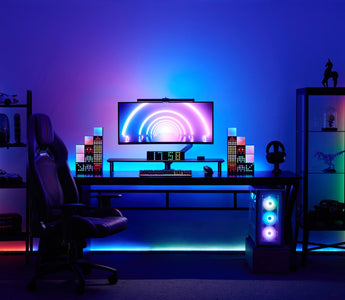
Ambient gaming experiences are a category of interactive entertainment designed to blend gently into a player’s environment rather than demanding constant attention or intense reactions. Instead of fast reflexes, competitive pressure, or complex control schemes, ambient games emphasize mood, atmosphere, and steady engagement. For many players, this approach feels closer to a calming background activity than a traditional game session.
This concept matters because gaming habits have changed. More adults are looking for experiences that fit into daily routines without causing fatigue or stress. Word games, light puzzles, and cognitive training activities have already proven that engagement does not need to be loud or overwhelming. Ambient gaming extends this idea by shaping play around presence, comfort, and mental balance rather than urgency.

What defines an ambient gaming experience
An ambient game is not defined by genre but by intention. The goal is to create an experience that coexists with the player’s surroundings and mental state. These games often allow players to enter and exit freely, with no penalty for stopping or pausing.
Common characteristics include:
- Slow or flexible pacing without strict time limits
- Minimal visual clutter and restrained color palettes
- Soft audio cues instead of loud sound effects
- Simple mechanics that are easy to remember
- A focus on continuity rather than completion
In practice, this means the game supports calm focus. Players are not pushed to win quickly or master complex systems. Instead, the experience adapts to the player’s rhythm.
How ambient gaming differs from traditional games
Traditional video games often revolve around progression systems, challenge escalation, and clear win or loss conditions. Ambient games take a different approach by shifting attention away from performance and toward experience.
The differences are subtle but important:
Traditional games reward efficiency, speed, and mastery. Ambient games reward presence and consistency.
Traditional games often require full attention. Ambient games can coexist with reflection, listening to music, or short breaks.
Traditional games rely on strong feedback loops. Ambient games use gentle reinforcement, often without explicit scoring.
This does not make ambient gaming less meaningful. For many players, it provides a sustainable way to stay mentally engaged without cognitive overload.
Ambient gaming and word-based experiences
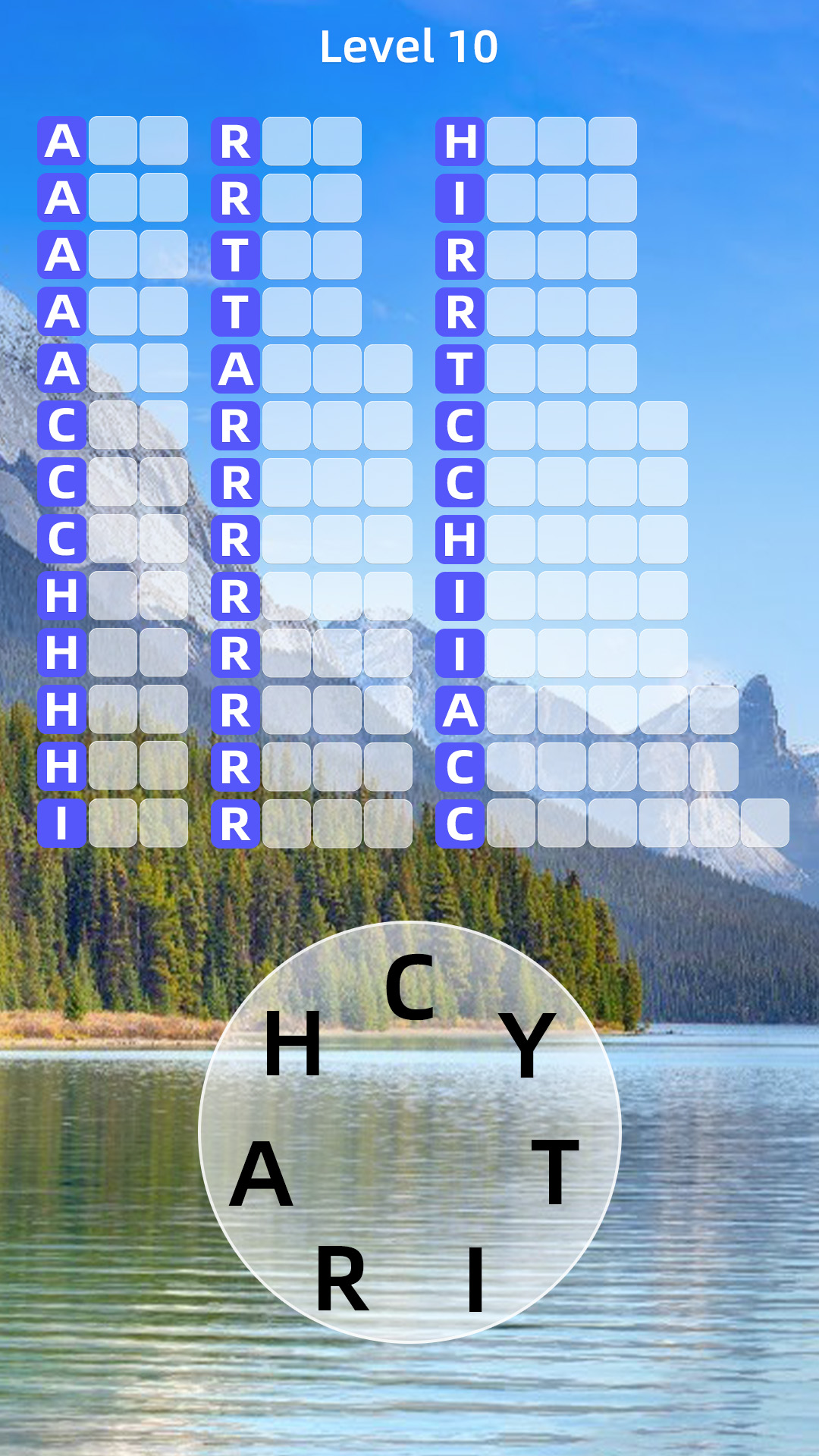
Word games are especially well suited to ambient design. Language-based challenges naturally encourage focus, pattern recognition, and memory without requiring fast physical responses.
In ambient word games, players might:
- Form words at their own pace
- Explore vocabulary without pressure
- Engage in light problem-solving over extended sessions
- Return daily without feeling behind
The experience feels closer to reading or journaling than competitive play. This makes ambient word games appealing to adults who want mental stimulation without stress.
Because language processing is deeply tied to attention and memory, ambient word games are often associated with cognitive training benefits, particularly when used consistently rather than intensively.
Cognitive engagement without overload
One of the main appeals of ambient gaming is how it supports cognition without exhaustion. Instead of pushing the brain into high-alert problem-solving mode, ambient games encourage steady engagement.
This style of interaction can support:
- Sustained attention over longer periods
- Gentle memory recall and reinforcement
- Pattern recognition without urgency
- Mental decompression after demanding tasks
For players interested in brain training, ambient experiences offer a realistic alternative to highly gamified cognitive apps. The emphasis is not on measurable performance but on maintaining a healthy relationship with mental effort.
Ambient design principles in practice
Ambient games rely heavily on thoughtful design choices. Visuals, audio, and interaction methods all work together to reduce friction.
Visual design tends to favor:
- Soft contrasts and readable typography
- Predictable layouts with minimal animation
- Consistent spatial placement of elements
Audio design often includes:
- Ambient soundscapes instead of music loops
- Subtle feedback sounds for interaction
- Optional or adjustable audio levels
Interaction design prioritizes comfort. Controls are simple, and mistakes are easily reversible. The player is rarely punished for experimenting or stepping away.
Ambient gaming in mixed reality environments
Mixed reality platforms introduce new possibilities for ambient gaming by allowing digital content to exist alongside the physical world. Instead of isolating the player, the experience becomes part of their surroundings.
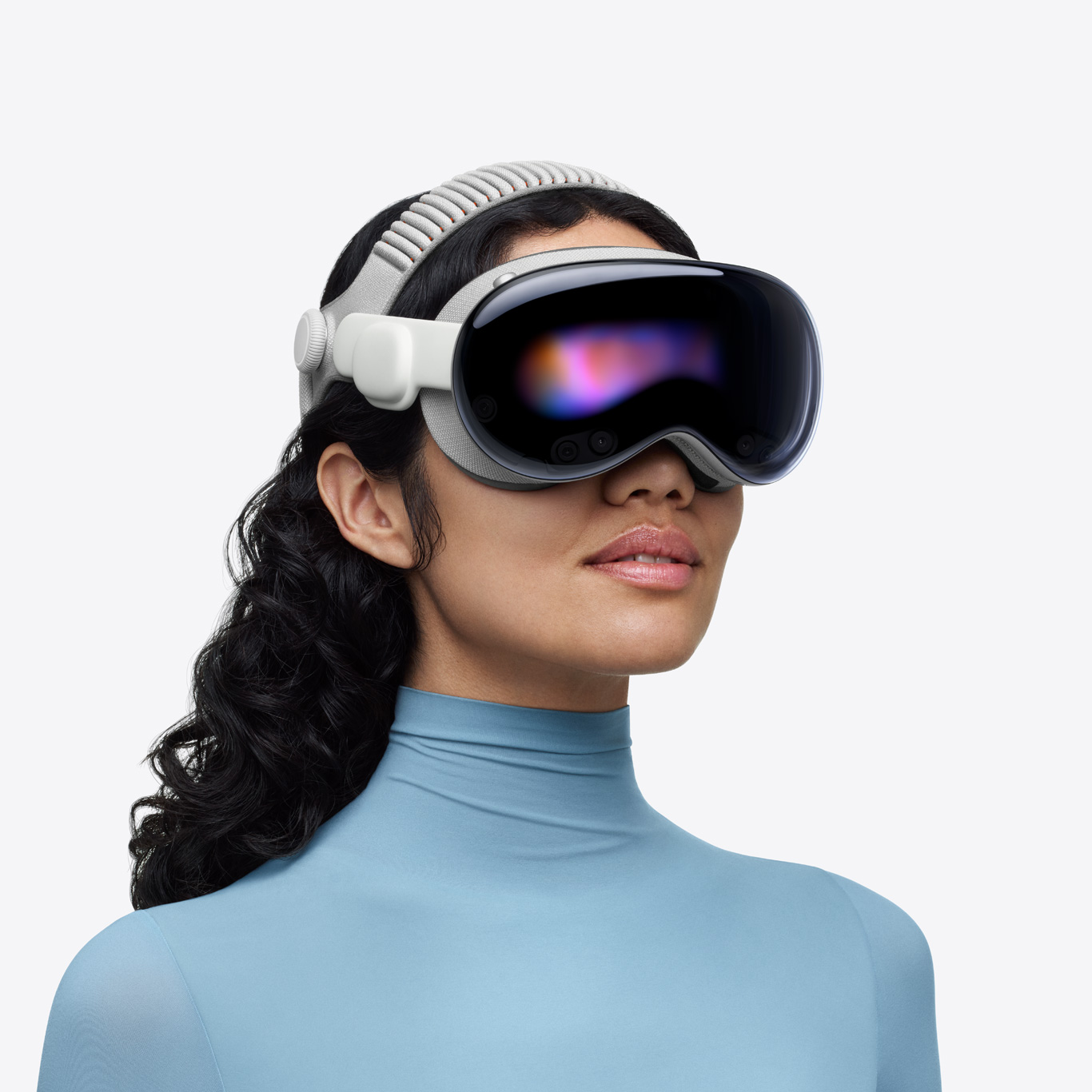
On devices like Apple Vision Pro, ambient games can appear as floating panels or subtle overlays rather than full-screen environments. This allows players to remain aware of their physical space while engaging with the game.
For ambient word games and puzzles, this can mean:
- Playing while seated comfortably
- Adjusting the size and position of the game interface
- Reducing eye strain through spatial placement
- Maintaining a sense of real-world presence
For newcomers to spatial computing, ambient design is often more approachable than fully immersive experiences.
Comfort and usability considerations
Because ambient games are meant to be used regularly, comfort becomes a central concern. Sessions may be shorter or longer depending on mood, but the experience should never feel physically or mentally taxing.
Important usability factors include:
- Readable text at multiple distances
- Low interaction fatigue, especially for hands and eyes
- Stable visuals that avoid motion discomfort
- Clear exit points without forced transitions
These considerations are especially important in mixed reality environments, where comfort directly affects long-term adoption.
Realistic expectations and limitations
Ambient gaming is not designed to replace all other forms of entertainment. It is not ideal for players seeking adrenaline, competitive depth, or narrative complexity.
Limitations include:
- Slower sense of progression
- Less dramatic feedback or rewards
- Limited appeal for competitive players
However, these limitations are intentional. Ambient games aim to complement daily life rather than dominate it. For many users, that trade-off is precisely the point.
Why ambient gaming is becoming more relevant
As digital experiences become more integrated into work and personal life, the demand for low-friction interaction continues to grow. Ambient gaming aligns with broader trends toward mindful technology use, flexible engagement, and personalization.
Word games, puzzle experiences, and mixed reality platforms all benefit from this approach. They allow users to stay mentally active while respecting boundaries around attention and energy.
Rather than asking players to escape reality, ambient games invite them to engage with it more gently.
In the long term, ambient gaming experiences are likely to remain relevant because they respond to how people actually live. They fit into routines, adapt to individual preferences, and offer meaningful engagement without pressure. For players interested in word games, cognitive balance, or emerging platforms, ambient gaming represents a thoughtful evolution of interactive entertainment.
