
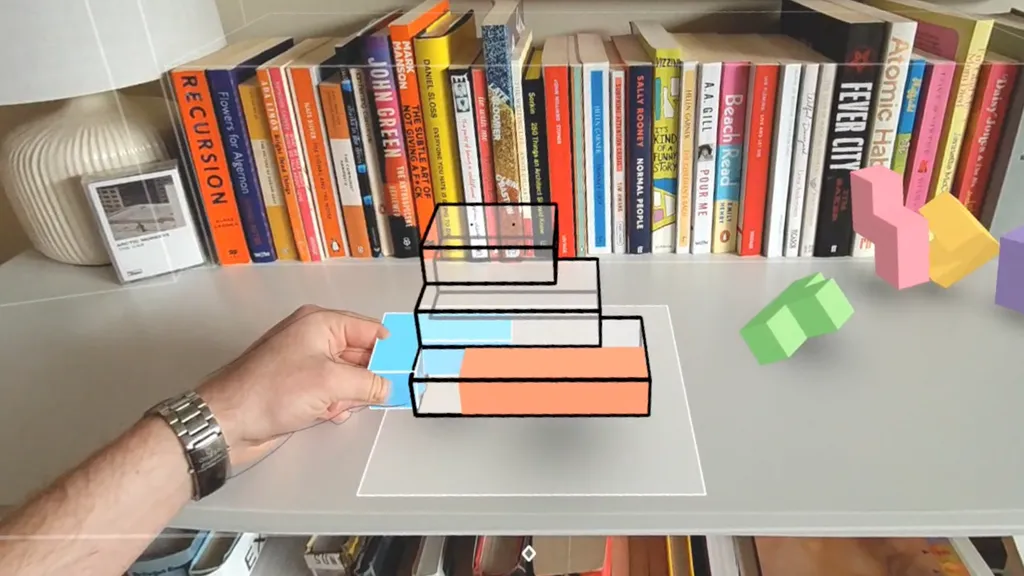
Mixed reality puzzle games combine traditional problem-solving mechanics with digital elements that appear anchored in the player’s physical environment. Instead of existing solely on a flat screen, puzzles can occupy real space, respond to movement, and adapt to the player’s surroundings. This approach is increasingly relevant as word games and brain-training experiences seek deeper engagement, better accessibility, and more natural forms of interaction. For many players, especially adults interested in cognitive stimulation and calm entertainment, mixed reality represents a gradual shift rather than a sudden revolution.
The future of mixed reality puzzle games matters because it touches on how people learn, focus, and relax using interactive media. As spatial computing becomes more familiar, puzzle games are positioned to benefit from clearer interfaces, slower pacing, and thoughtful design that respects comfort and usability. Understanding where this format is heading helps players set realistic expectations and recognize which ideas are likely to have lasting value.
Understanding mixed reality puzzle games
Mixed reality refers to experiences that blend digital content with the physical world in a coherent, interactive way. In puzzle games, this means letters, symbols, shapes, or logical elements can appear as if they exist on a table, wall, or surrounding space. Unlike traditional virtual reality, mixed reality does not isolate the player from their environment. Unlike standard mobile or desktop games, it allows puzzles to be arranged spatially rather than confined to a single screen.
For beginners, the key distinction is simple. The puzzle rules remain familiar, but the way information is presented changes. A crossword-style challenge might unfold across multiple surfaces, or a word-matching game might require reaching, looking around, or repositioning elements in space. The mental task stays recognizable, while the interaction becomes more physical and intuitive.
Why puzzle games adapt well to mixed reality
Puzzle and word games tend to be slower and more deliberate than action-based titles. This makes them particularly suitable for mixed reality environments, where comfort and clarity are essential. Players often engage in short sessions, seated play, or relaxed exploration, all of which align well with spatial interfaces.
Another reason puzzle games adapt well is their modular structure. Individual challenges can be placed, resized, or reorganized without disrupting the core mechanics. This flexibility allows designers to experiment with layouts that reduce visual clutter and improve focus. For word-based puzzles, spatial separation can also help players process information more clearly, especially when dealing with complex clues or layered logic.


Mixed reality and cognitive engagement
One of the most discussed aspects of puzzle games is their role in cognitive engagement. Word puzzles, logic challenges, and pattern recognition tasks are often used to support memory, language skills, and attention. Mixed reality does not change these goals, but it can influence how the brain interacts with the task.
By placing puzzle elements in physical space, mixed reality can reduce the need to switch between windows or menus. This may support sustained attention by keeping relevant information visible at once. Movement, when used gently, can also reinforce memory through spatial association. For example, remembering where a clue is positioned can become part of the solving process, similar to how people remember physical notes or objects.
It is important to maintain realistic expectations. Mixed reality puzzle games are not substitutes for structured cognitive training programs, but they can offer engaging ways to keep the mind active and curious.
Interaction methods shaping future designs
The future direction of mixed reality puzzle games is closely tied to how players interact with them. Current and emerging systems rely on a combination of gaze, hand tracking, simple gestures, and voice input. For puzzle games, these methods can be especially effective when implemented conservatively.
Precise interaction is more valuable than speed. Selecting letters, moving tiles, or highlighting clues should feel predictable and low-effort. As interaction systems improve, designers are likely to focus on reducing fatigue and minimizing unnecessary motion. Seated play, stable interfaces, and adjustable puzzle placement will continue to be important design priorities.
Voice input may also play a limited but useful role, particularly for spelling or confirming answers. However, quiet, private environments are often preferred for puzzle solving, so voice interaction is likely to remain optional rather than central.
Word games in spatial environments
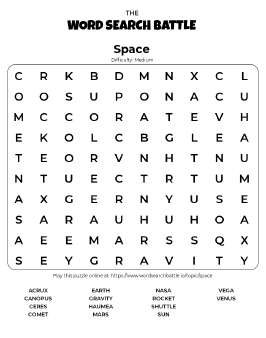
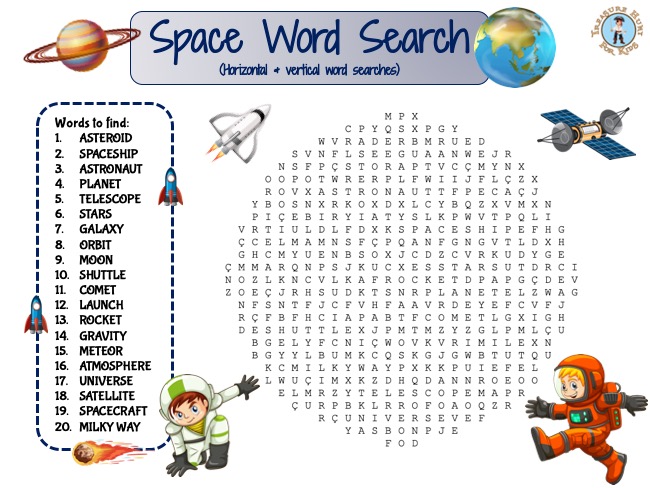
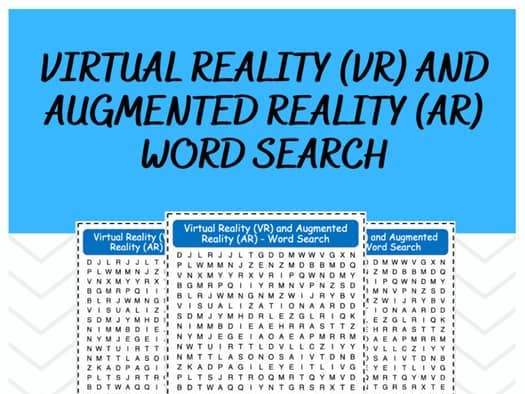
Word games have a long history across print, mobile, and digital platforms. In mixed reality, their future lies in thoughtful adaptation rather than complete reinvention. Classic mechanics such as crosswords, anagrams, and word searches can benefit from spatial layouts that make clues easier to scan and answers easier to verify.
A spatial environment can also support layered difficulty. Beginners might see only essential elements, while experienced players can reveal additional hints or constraints around them. This gradual complexity helps mixed reality word games remain accessible to a wide audience, including casual players and older adults.
Importantly, successful designs will avoid overwhelming the player. The strength of word games is clarity, and mixed reality experiences that respect this principle are more likely to remain relevant over time.
Practical use cases in everyday play
Mixed reality puzzle games are likely to fit into daily routines rather than dominate long gaming sessions. Short breaks, quiet evenings, or focused training moments are natural use cases. The ability to anchor a puzzle in a familiar space can make these moments feel more personal and less disconnected from everyday life.
For example, a player might place a word puzzle on a desk and return to it throughout the day. Progress is visible, and the puzzle becomes part of the environment rather than an isolated activity. This continuity supports relaxed engagement without pressure to complete tasks quickly.
Such use cases highlight why puzzle games are well suited to mixed reality. They benefit from persistence, calm pacing, and the freedom to step away without penalty.
Comparing mixed reality puzzles to traditional formats
When compared to mobile or desktop puzzle games, mixed reality offers a different balance of advantages and limitations. Traditional formats are highly portable, familiar, and efficient. Mixed reality introduces a setup phase and requires compatible hardware, which may limit spontaneous use.
However, mixed reality can reduce eye strain by allowing players to adjust distance and size more freely. It can also support better posture by distributing visual elements across a comfortable field of view. These benefits are subtle but meaningful for players who spend extended time with word games.
Rather than replacing existing formats, mixed reality puzzle games are more likely to coexist with them, offering an alternative experience for specific contexts and preferences.
Limitations and realistic expectations
Despite its potential, mixed reality puzzle gaming faces practical limitations. Hardware comfort, battery life, and learning curves remain important considerations. Not all players will find spatial interaction appealing, and some puzzles work best on simple, flat interfaces.
Designers must also consider accessibility. Clear text, adjustable contrast, and flexible input options are essential for inclusive puzzle experiences. Games that ignore these factors risk excluding large portions of their audience.
The future of mixed reality puzzle games depends less on technological novelty and more on thoughtful, restrained design that respects player comfort and habits.
Long-term relevance in gaming culture
Puzzle games have endured for decades because they adapt to new formats without losing their essence. Mixed reality represents another step in this evolution. Its long-term relevance will depend on whether it enhances clarity, focus, and enjoyment rather than distracting from them.
As spatial computing becomes more normalized, mixed reality puzzle games may feel less experimental and more like a natural extension of existing genres. Their role in gaming culture is likely to remain modest but meaningful, offering calm, intellectually engaging experiences alongside more dynamic forms of entertainment.
The most successful mixed reality puzzle games of the future will not attempt to redefine puzzles themselves. Instead, they will quietly refine how puzzles fit into physical space, daily routines, and thoughtful play.
