
Understanding the difference between virtual reality and mixed reality games has become increasingly important as immersive technologies move beyond niche entertainment and into everyday use. For players interested in word games, puzzle solving, and cognitive training, these technologies offer distinct experiences that influence comfort, interaction, and mental engagement. Knowing how they differ helps readers set realistic expectations and choose experiences that match their habits, attention span, and physical environment.
Immersive games are no longer defined only by graphics or storytelling. The way a game relates to the real world around the player fundamentally changes how it feels, how long it can be played, and how it supports learning or relaxation. Virtual reality and mixed reality approach this relationship in very different ways.

Understanding virtual reality in simple terms
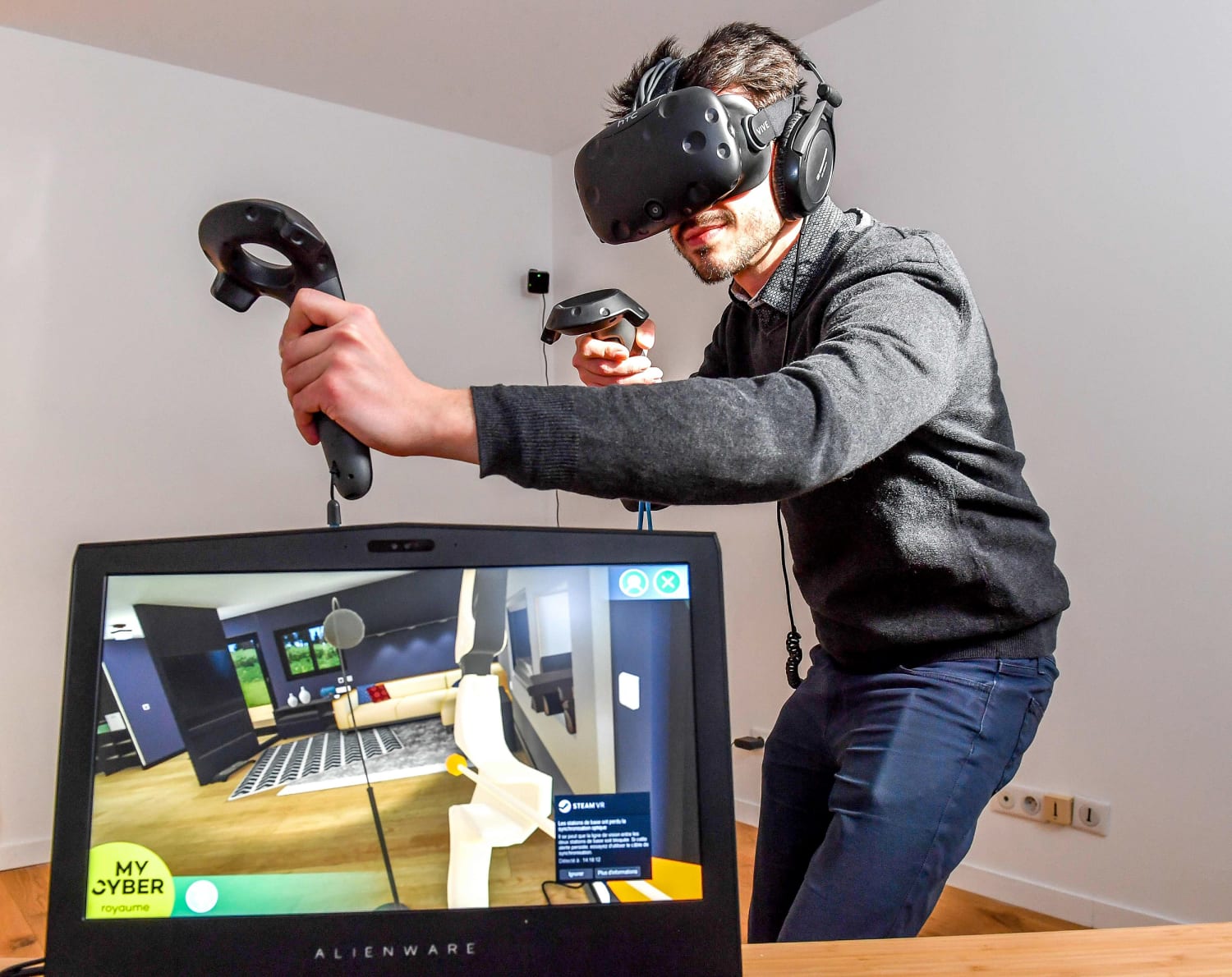
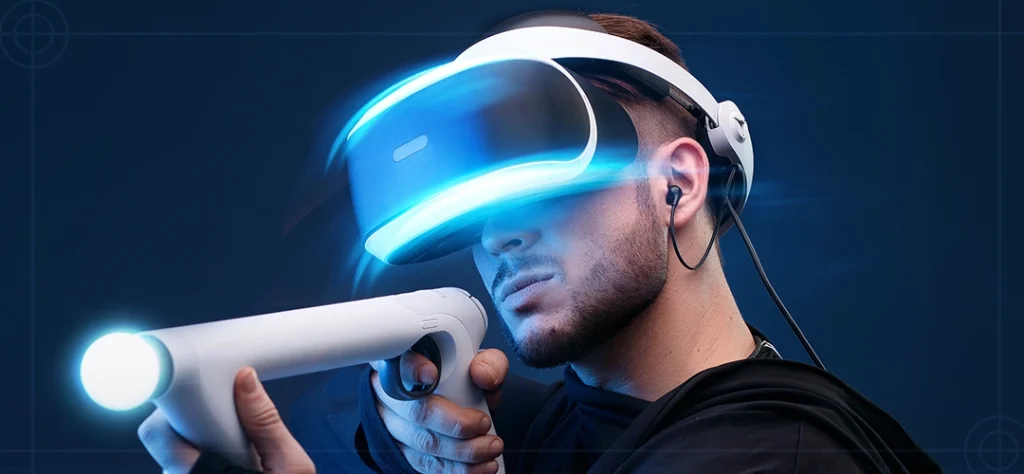
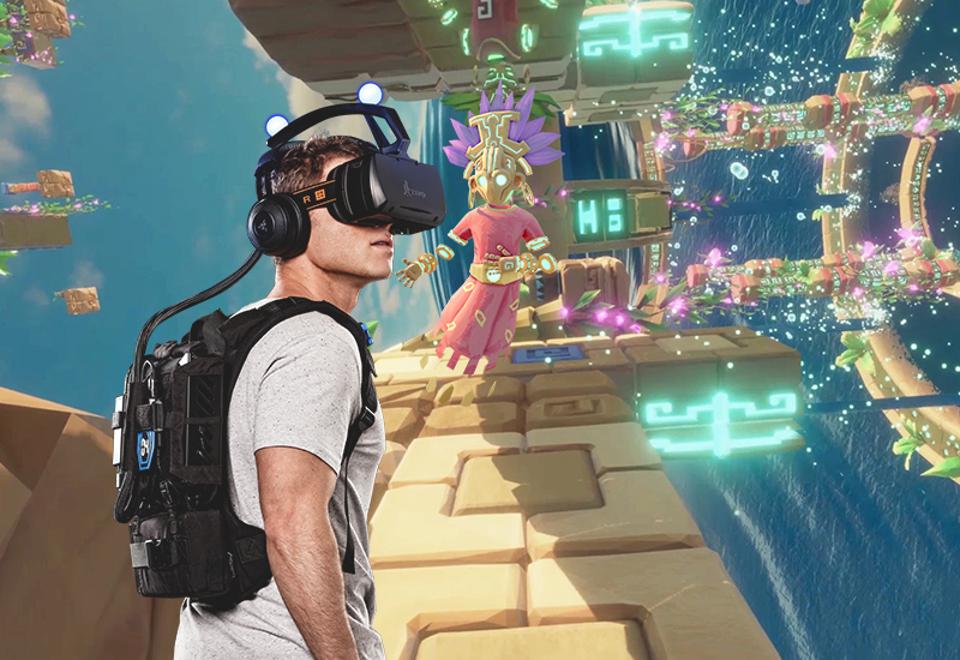
Virtual reality, often shortened to VR, places the player inside a fully digital environment. When wearing a VR headset, the real world is visually blocked and replaced with a simulated space. This could be a fantasy landscape, a puzzle room, or an abstract environment designed for focus and challenge.
In VR games, everything the player sees is generated by software. Movement, interaction, and feedback are handled through controllers, hand tracking, or head movement. Because the physical surroundings are hidden, the player relies entirely on the virtual environment to navigate and interact.
For word games and puzzle experiences, VR often emphasizes immersion. Letters may float in space, words might be assembled in a virtual room, or challenges can be presented as part of a story-like environment. This level of immersion can increase focus, but it also introduces certain constraints related to comfort and spatial awareness.
What mixed reality actually means
Mixed reality, often abbreviated as MR, blends digital content with the real world. Instead of replacing the physical environment, mixed reality overlays virtual elements onto what the player can already see. The real room, desk, or walls remain visible, while game elements appear anchored within that space.
In mixed reality games, virtual objects coexist with physical surroundings. A word puzzle might appear on a real table, letters could hover near a wall, or clues might be positioned around the room. The player remains aware of their environment, which can reduce disorientation and make longer sessions more comfortable.
Devices such as Apple Vision Pro have made mixed reality more accessible by emphasizing clear passthrough visuals, natural hand interaction, and spatial audio. For many users, this approach feels less isolating than traditional VR.
Core differences in player experience
The most noticeable difference between VR and mixed reality games is how disconnected the player feels from the physical world.
In VR, the sense of presence inside the game can be strong. This can be beneficial for narrative-driven or highly immersive puzzles, but it also requires trust in the system. Players need sufficient space and must remain aware of their surroundings to avoid discomfort or collisions.
Mixed reality, by contrast, maintains a continuous connection to the real world. This makes it easier to play casually, pause naturally, or interact with others nearby. For adults interested in daily brain training or short word game sessions, this continuity often feels more practical.
Another key difference lies in posture and movement. VR games may encourage standing, turning, or walking in place, depending on the design. Mixed reality games are more likely to support seated play, subtle hand gestures, and relaxed body positioning.
Interaction methods and usability
Interaction design plays a central role in how enjoyable and accessible a game feels. VR games traditionally rely on handheld controllers, though hand tracking has become more common. These controllers offer precision but can feel abstract, especially in slower-paced word or puzzle games.
Mixed reality games often favor direct interaction with virtual elements using hands, gaze, or simple gestures. Selecting letters, rearranging words, or highlighting clues can feel more intuitive when the game elements appear to exist in the same physical space as the player.
This difference matters for cognitive games. Reduced friction in interaction allows players to focus more on problem-solving rather than learning control schemes. For beginners or casual players, mixed reality tends to feel more approachable.
Impact on word games and cognitive training
Word games thrive on clarity, pacing, and mental focus. In VR, designers can create controlled environments free from real-world distractions. This can be ideal for deep concentration, timed challenges, or narrative puzzles built around language.
However, the intensity of VR can also be mentally and physically demanding. Extended sessions may lead to fatigue, which limits its suitability for daily routines or relaxed play.
Mixed reality supports a different kind of engagement. Because the real world remains visible, players can integrate short sessions into everyday life. A crossword-style puzzle on a virtual panel or a word association game floating near a desk fits naturally into breaks or evening routines.
From a cognitive perspective, both approaches can be effective, but they encourage different habits. VR favors immersion and commitment, while mixed reality supports consistency and accessibility.
Comfort and physical considerations
Comfort is one of the most practical differences between VR and mixed reality games. VR headsets block external vision, which can lead to motion discomfort for some users, especially during movement-heavy experiences.
Mixed reality reduces this risk by preserving visual references from the real world. Seeing familiar surroundings helps the brain maintain spatial orientation, which can make mixed reality games easier to tolerate for longer periods.
For seated word games, mixed reality often provides a more relaxed experience. Players can remain aware of posture, lighting, and surroundings without removing the headset or pausing the game entirely.
Use cases and everyday scenarios
Virtual reality games are often best suited for dedicated play sessions. They work well when the player can commit time and space, such as in a quiet room with enough clearance for movement.
Mixed reality games adapt more easily to everyday environments. They can be played in living rooms, offices, or shared spaces without fully isolating the player. This flexibility makes mixed reality appealing for adults who want mental stimulation without a strong separation from daily life.
For word-based games, this means mixed reality can support habits like short daily challenges, vocabulary practice, or casual puzzles that fit around work and family schedules.
Benefits and limitations of each approach
Virtual reality offers depth and immersion. It excels at creating focused environments that remove external distractions. This can enhance certain types of puzzle-solving and narrative word games.
At the same time, VR requires more preparation and may not suit frequent, short sessions. Physical comfort and setup time are important considerations.
Mixed reality offers balance and integration. It allows games to exist alongside real life, which supports regular use and comfort. However, it may feel less dramatic or immersive for players seeking complete escape.
Neither approach is inherently better. Each serves different needs, preferences, and contexts.
Long-term relevance of immersive game formats
As immersive technologies mature, the distinction between VR and mixed reality is likely to remain relevant. Designers will continue to choose one approach over the other based on the type of experience they want to deliver.
For word games and cognitive training, mixed reality aligns well with long-term use and accessibility. Virtual reality will continue to serve players who value immersion and dedicated experiences.
Understanding these differences helps readers make informed choices without relying on marketing claims or speculation. It also encourages realistic expectations about comfort, interaction, and the role these technologies can play in everyday mental engagement.
In the broader picture, VR and mixed reality represent two complementary paths in immersive gaming. One focuses on stepping away from the world, the other on enhancing it. For players interested in language, puzzles, and thoughtful play, both paths offer meaningful opportunities when used with awareness and intention.
