


Mixed reality games for cognitive training
Mixed reality games are becoming an increasingly visible part of conversations around mental stimulation, learning, and digital well-being. By blending digital content with the physical environment, these experiences create new ways for players to engage with puzzles, words, logic challenges, and memory tasks. For people interested in cognitive training, this shift matters because it changes not only what the brain is asked to do, but also how those challenges are presented and experienced.
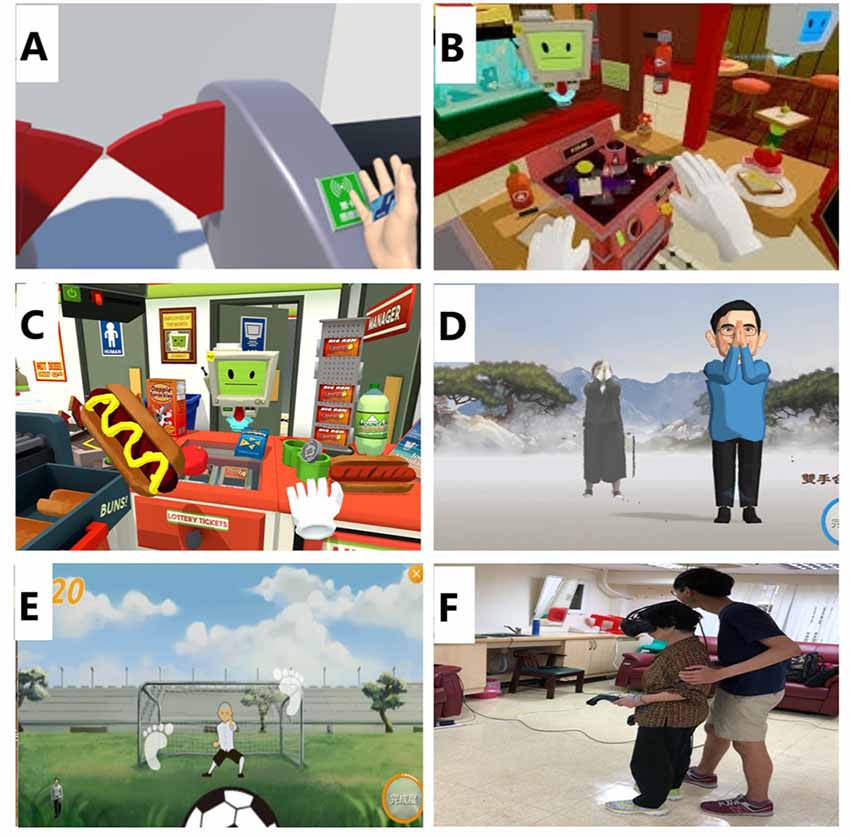
Unlike traditional mobile or desktop games, mixed reality places cognitive tasks directly into a player’s surrounding space. Letters can appear on walls, words can float in front of the player, and puzzles can be arranged around the room. This spatial dimension introduces a different form of mental engagement that appeals to beginners, casual gamers, and adults looking for more immersive ways to keep their minds active.
Understanding mixed reality in simple terms
Mixed reality sits between virtual reality and augmented reality. Instead of fully replacing the real world or merely overlaying simple graphics, it combines physical surroundings with interactive digital elements that feel anchored and responsive.
In practical terms, this means:
- The player can see their real environment at all times
- Digital objects are placed within that environment and react to movement
- Interaction often involves eye tracking, hand gestures, or subtle physical motion
For cognitive training games, this approach allows mental tasks to be tied to space, depth, and physical context. Remembering where a word appeared or physically reaching for a letter can become part of the challenge, adding layers of engagement beyond screen-based interaction.
What cognitive training games aim to improve
Cognitive training games are designed to exercise specific mental skills rather than reflexes or reaction time alone. In mixed reality, these goals remain consistent but are supported by new forms of interaction.
Common cognitive areas addressed include:
- Vocabulary and language comprehension
- Short-term and working memory
- Attention control and focus
- Problem-solving and reasoning
- Pattern recognition and sequencing
Word-based games often combine several of these areas at once. For example, forming words from scattered letters requires language knowledge, memory of available options, and sustained attention, all while navigating a spatial environment.
Why mixed reality changes the experience of brain training
Traditional brain training games typically rely on flat interfaces, tapping, or clicking. Mixed reality adds physical presence and depth, which can subtly alter how the brain processes tasks.
Spatial placement of information encourages players to use visual memory differently. Instead of recalling items from a list, players may remember locations, distances, or movement patterns. This can support mental mapping skills and spatial awareness alongside verbal abilities.
Additionally, mixed reality often allows for more natural pacing. Tasks do not always demand rapid input, which can make these games feel more approachable for adults who prefer thoughtful engagement over time-pressured challenges.
Word games as a natural fit for mixed reality
Word games adapt particularly well to mixed reality environments because language challenges are flexible and modular. Letters, words, and clues can be arranged in countless ways without requiring fast movement or intense physical effort.
In mixed reality word games, players might:
- Assemble words by reaching toward floating letters
- Solve crossword-style puzzles arranged around the room
- Match definitions to words placed in different spatial zones
- Progress through levels by exploring and interacting with text elements
These mechanics support cognitive training while remaining accessible to players with varying levels of gaming experience. The focus stays on thinking rather than dexterity.
Interaction methods and comfort considerations
One of the defining features of mixed reality cognitive games is how players interact with them. Instead of controllers, many systems rely on eye tracking, hand gestures, or simple head movement.
From a cognitive training perspective, this has several advantages:
- Reduced reliance on fine motor skills
- More intuitive interaction for beginners
- Lower physical strain during longer sessions
Comfort is especially important for cognitive games, which are often played in short, regular sessions. Mixed reality experiences designed for seated play and minimal movement tend to align better with sustained mental focus and reduced fatigue.
The role of spatial computing platforms
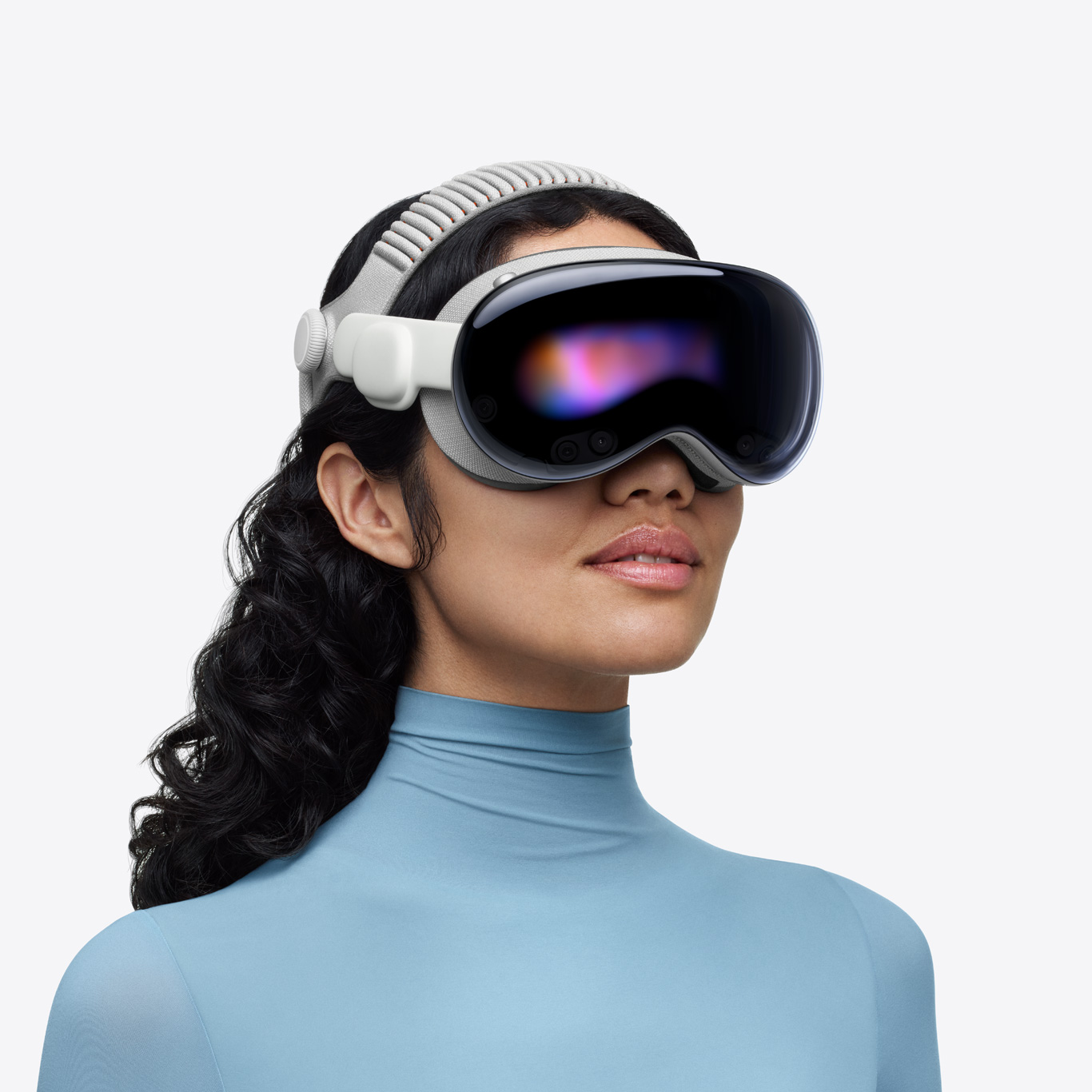
Modern spatial computing devices have accelerated interest in mixed reality games aimed at learning and mental fitness. Platforms such as Apple Vision Pro have highlighted how high-resolution displays and precise tracking can support reading, word recognition, and detailed visual tasks without overwhelming the user.
For cognitive training, this means clearer text, stable placement of digital elements, and more reliable interaction. These factors help maintain focus and reduce friction, which is essential for mental exercises that depend on concentration rather than spectacle.
Practical use cases for everyday cognitive training
Mixed reality cognitive games are not limited to dedicated training sessions. Many are designed to fit naturally into daily routines.
Common use cases include:
- Short morning sessions focused on vocabulary or memory recall
- Relaxed evening play that emphasizes problem-solving without time pressure
- Educational activities for adults learning new languages
- Low-stress mental stimulation during breaks or downtime
Because mixed reality does not isolate players from their environment, these games can feel less intrusive than fully immersive virtual reality, making them easier to integrate into everyday life.
Benefits compared to traditional brain games
Mixed reality cognitive games offer several practical advantages over conventional formats.
They provide richer context for mental tasks, which can improve engagement. Spatial interaction can also make abstract challenges feel more tangible, supporting learning through experience rather than repetition alone.
Another benefit is adaptability. Many mixed reality games allow difficulty, pacing, and interaction style to be adjusted, accommodating a wide range of cognitive abilities and preferences.
Limitations and realistic expectations
While mixed reality introduces new possibilities, it is not a guaranteed solution for cognitive improvement. These games should be viewed as tools for mental engagement rather than replacements for broader learning, reading, or social interaction.
Some limitations include:
- Higher hardware costs compared to mobile games
- Limited library sizes compared to traditional platforms
- The need for adequate physical space and lighting
Additionally, cognitive benefits are most meaningful when games are used consistently and thoughtfully. Casual play can support mental stimulation, but results vary depending on individual habits and expectations.
Long-term relevance of mixed reality cognitive games
As digital experiences continue to evolve, mixed reality is likely to remain a niche but meaningful category within cognitive gaming. Its strength lies in offering a different way to engage the mind, especially for users who find traditional screens limiting or repetitive.
For word games and cognitive challenges, mixed reality provides an environment where thinking, seeing, and interacting blend more naturally. This balance between mental effort and physical presence may help these games stay relevant as part of broader conversations about lifelong learning and mental well-being.
Rather than replacing established formats, mixed reality cognitive games expand the range of options available. They invite players to think in space, connect language with movement, and explore puzzles in ways that feel grounded in their own environment.
