
Word games have long been associated with mental agility, language development, and quiet daily routines that reward focus and curiosity. With the arrival of spatial computing platforms such as Apple Vision Pro, these familiar activities are entering a new kind of digital space. Vision Pro word games are not about replacing traditional puzzles, but about rethinking how words, language, and attention can be experienced in an immersive yet controlled environment.
For readers interested in brain training, casual gaming, or emerging platforms, this topic matters because it connects a well-understood activity with a new form of interaction. The result is not faster learning or guaranteed cognitive improvement, but a different setting for practicing concentration, vocabulary, and problem-solving as part of a daily routine.

What word games are and why they matter for mental exercise
Word games are structured activities built around language. They may involve spelling, vocabulary recall, pattern recognition, or logical deduction based on letters and words. Common formats include crosswords, word searches, anagrams, and guess-the-word mechanics.
From a brain-training perspective, these games engage several cognitive processes at once:
- Language comprehension and recall
- Short-term and working memory
- Attention and sustained focus
- Flexible thinking and pattern recognition
Their appeal lies in repetition without monotony. Even simple mechanics can feel fresh because language itself is variable. For many adults, word games offer a low-pressure way to stay mentally active without the intensity or time commitment of more complex games.
Daily brain training as a habit rather than a performance goal
The idea of daily brain training is often misunderstood. It is not about measurable performance gains every day, nor about pushing the mind to exhaustion. Instead, it resembles physical stretching more than athletic training.
Short, regular sessions are generally more realistic and sustainable than occasional long ones. Word games fit naturally into this model because they can be paused, resumed, or completed in a few minutes. When integrated into a daily routine, they support consistency without demanding constant novelty.
On Vision Pro, this habit-based approach becomes more intentional. The headset environment encourages focused sessions by reducing external distractions, while still allowing the user to remain aware of their surroundings.
Understanding Vision Pro as a platform for word games
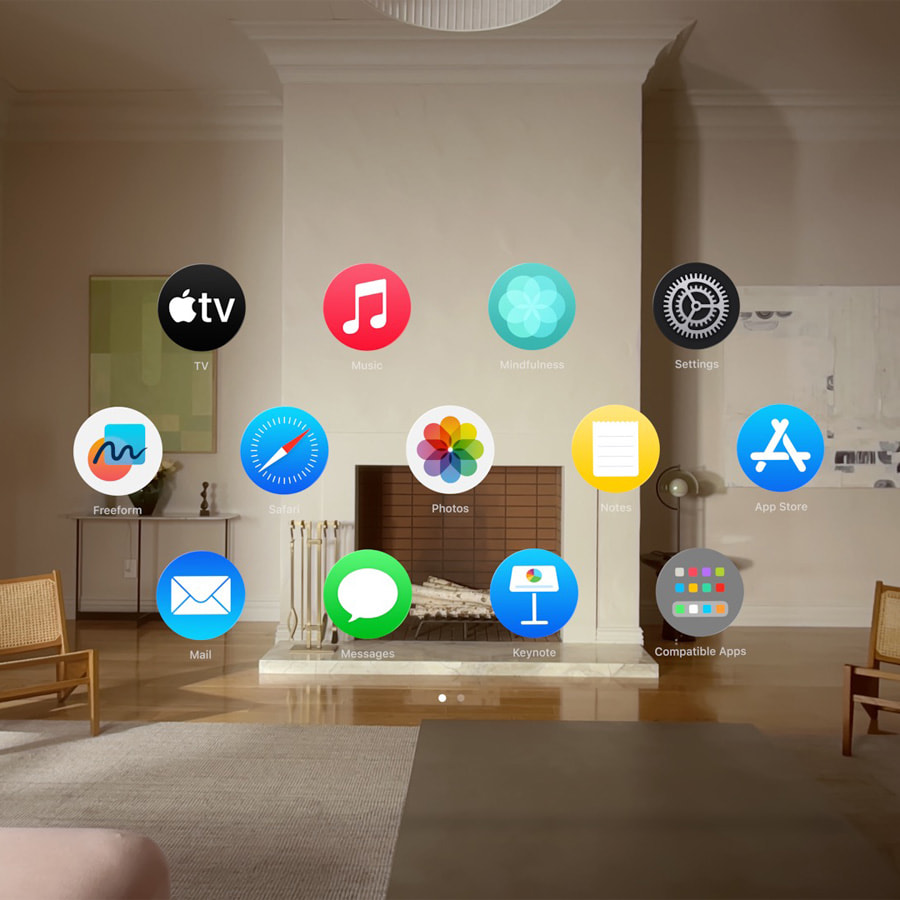
Vision Pro is designed around spatial computing, which places digital elements into the user’s physical environment. Instead of interacting with a flat screen, users see windows, panels, and objects positioned in three-dimensional space.
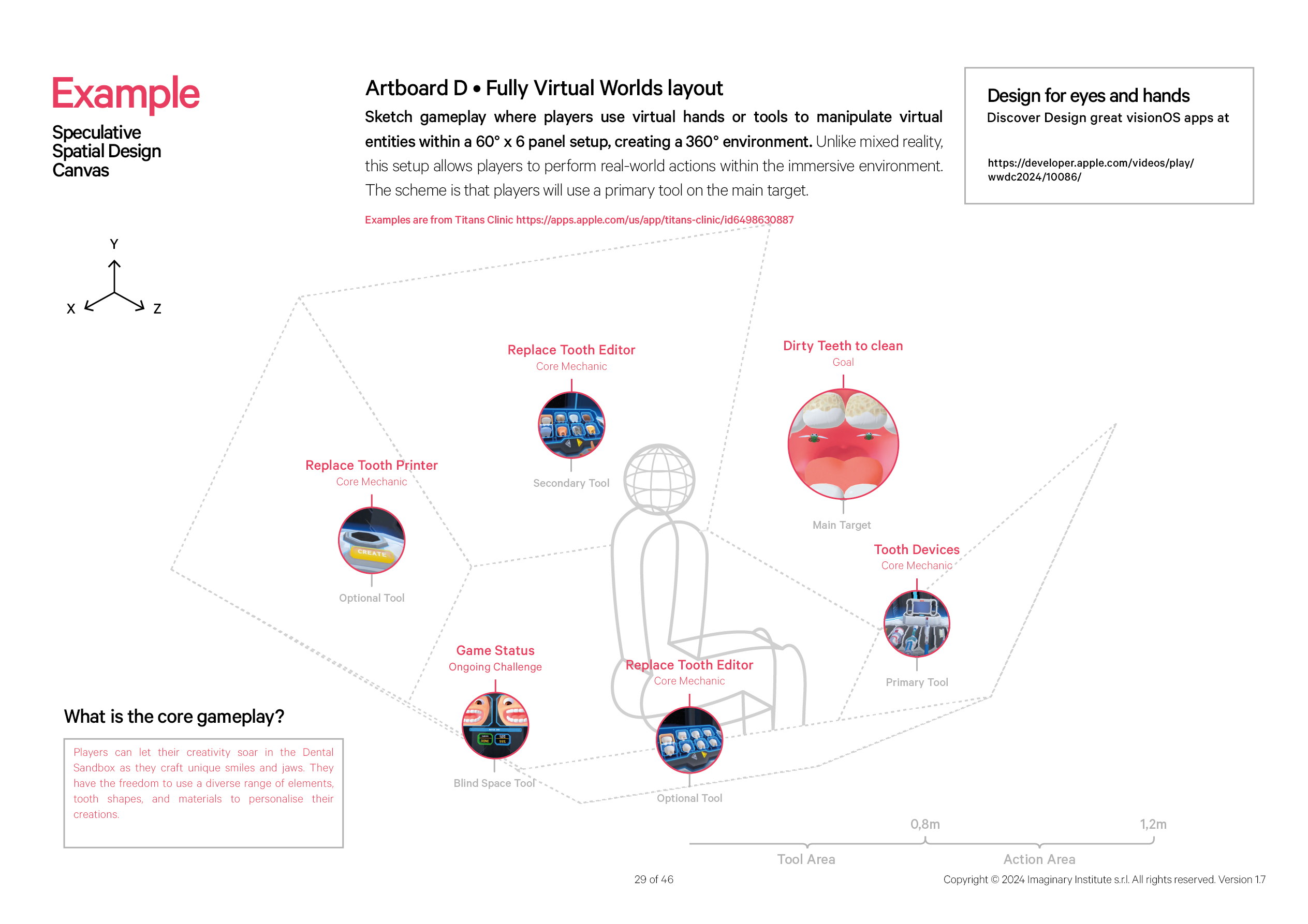
For word games, this means that letters, grids, or word prompts can exist as floating elements rather than fixed interfaces. Interaction typically relies on eye tracking, hand gestures, and subtle finger movements rather than traditional controllers.
For beginners unfamiliar with mixed reality, it helps to think of Vision Pro word games as familiar puzzles presented in a different layout, not as entirely new genres. The core mechanics remain recognizable, while the presentation and interaction model change.
How word games translate into spatial computing environments
Not all game genres benefit equally from immersive platforms, but word games adapt surprisingly well. Their visual simplicity and focus on cognition rather than reflexes align with the strengths of spatial interfaces.
Common adaptations include:
- Word boards or grids that can be resized and repositioned
- Letters or clues placed at comfortable eye level
- Minimal animation to reduce visual fatigue
- Clear typography optimized for floating displays
These choices matter because readability and comfort are central to language-based games. Unlike action titles, word games benefit from calm visuals and stable layouts, especially during longer sessions.
Interaction methods and usability considerations
One of the most important differences between Vision Pro word games and traditional mobile or desktop versions is interaction. Instead of tapping or typing, users may select letters with gaze and confirm choices with small hand gestures.
This approach has practical implications:
- Precision matters more than speed
- Interfaces must allow for natural pauses
- Accidental inputs should be easy to correct
For daily brain training, usability is more important than novelty. Games that require exaggerated gestures or constant repositioning can quickly become tiring. Well-designed word games on Vision Pro tend to favor subtle interactions that fade into the background, allowing the mental task to remain central.
Practical use cases for Vision Pro word games
Vision Pro word games are not limited to one context or lifestyle. Their flexibility allows them to fit into different routines without demanding major adjustments.
Common use cases include:
- Short sessions during breaks for mental reset
- Evening wind-down activities that avoid fast-paced stimulation
- Language practice for vocabulary reinforcement
- Focused solo play in shared living spaces
Because the headset supports awareness of the physical environment, word games can coexist with real-world settings rather than isolating the user completely.
Comparing immersive word games to traditional formats
Compared to mobile or paper-based word games, Vision Pro versions introduce both advantages and trade-offs. The immersive environment can improve focus, but it also adds a layer of complexity.
Potential advantages include:
- Reduced background distractions
- Adjustable visual placement for ergonomic comfort
- Greater sense of presence and engagement
At the same time, limitations remain:
- Headset comfort affects session length
- Text input can be slower than typing
- Not all users prefer wearing a device for casual play
These differences suggest that Vision Pro word games complement rather than replace traditional formats. Many users may alternate between platforms depending on time, context, and preference.
Cognitive benefits and realistic expectations
Word games are often associated with cognitive health, but expectations should remain grounded. They support mental engagement and routine, not guaranteed cognitive enhancement.
Regular play may help maintain:
- Vocabulary familiarity
- Mental flexibility
- Concentration during focused tasks
However, benefits are typically incremental and context-dependent. Vision Pro does not change this reality, but it may improve adherence by making focused sessions more appealing or enjoyable.
Comfort, fatigue, and session design
Comfort is especially relevant for daily use. Word games that encourage short, clearly defined sessions tend to align better with Vision Pro’s ergonomics.
Design elements that support comfort include:
- High-contrast text with readable spacing
- Neutral backgrounds to reduce eye strain
- Clear stopping points between puzzles
These factors matter more than visual spectacle. A calm, legible interface supports the core purpose of word games as mental exercises rather than visual experiences.
Long-term relevance of word games on emerging platforms
Word games have persisted across decades and technologies because they rely on fundamental human skills rather than hardware trends. As platforms evolve, these games adapt without losing their identity.
On Vision Pro, their long-term relevance lies in their simplicity and flexibility. They do not depend on rapid innovation cycles or complex mechanics. Instead, they benefit from improved comfort, interface design, and thoughtful integration into daily routines.
As spatial computing matures, word games are likely to remain steady companions rather than headline experiences, offering quiet consistency in an evolving digital landscape.
A quiet space for language and focus
Vision Pro word games illustrate how emerging platforms can support familiar activities without redefining them entirely. By placing language-based puzzles into a focused spatial environment, they offer a new setting for an old habit.
For daily brain training, their value lies in balance. They combine mental engagement with calm interaction, allowing users to practice language skills without pressure or distraction. In doing so, they reinforce the idea that progress often comes from steady routines rather than dramatic changes.
