



Why mixed reality suits word games
Word games have always adapted to new formats, from printed puzzles to mobile apps and touch-based interfaces. Mixed reality represents the next step in this evolution, not by changing the core mechanics of word play, but by expanding the way players interact with language, space, and attention. For readers interested in cognitive training, calm mental engagement, or emerging platforms like Apple Vision Pro, understanding why mixed reality suits word games helps clarify where this medium adds real value and where it remains grounded in familiar habits.
Mixed reality blends digital content with the physical environment, allowing words, letters, and puzzle elements to exist within a shared space rather than on a flat screen. This shift matters because word games are inherently cognitive, spatial, and rhythmic. They rely on focus, pattern recognition, memory, and incremental problem solving. Mixed reality aligns naturally with these qualities, offering a way to support deeper engagement without demanding constant motion, speed, or reflexes.
Understanding mixed reality in simple terms
Mixed reality combines aspects of virtual and augmented experiences. Unlike fully immersive virtual environments that replace the real world, mixed reality allows digital elements to coexist with physical surroundings. Players remain aware of their room, their posture, and their environment while interacting with floating or anchored digital objects.
For beginners, the key point is that mixed reality does not require learning complex controls. Most systems rely on natural inputs such as gaze direction, hand gestures, and subtle movements. This approach is especially relevant for word games, which benefit from calm, precise interaction rather than rapid button presses.
Why word games benefit from spatial interaction
Word games are often perceived as purely mental activities, but they already involve spatial thinking. Arranging letters, scanning grids, tracking word paths, and managing multiple clues all rely on spatial awareness. Mixed reality extends this logic by placing words in three-dimensional space.
Instead of compressing all information into a single screen, mixed reality allows puzzles to be distributed naturally around the player. Clues can appear at different depths, letter groups can float or align in patterns, and progress can be visualized without clutter.
This spatial distribution reduces cognitive overload and supports sustained concentration. Players can focus on one element at a time while still maintaining awareness of the broader puzzle structure.
Comfort and pacing as core strengths
A major reason mixed reality suits word games is comfort. Unlike action-heavy genres, word games do not require rapid movement or physical exertion. They can be played seated, at a relaxed pace, and for flexible session lengths.
Mixed reality systems are designed to support this kind of experience. Players can adjust viewing distance, position puzzle elements at eye level, and maintain a neutral posture. This matters for adults using word games as part of a daily mental routine rather than a short burst of entertainment.
Key comfort-related advantages include:
- Reduced eye strain through adjustable text size and placement
- Stable visual environments that minimize motion discomfort
- Natural interaction that avoids repetitive tapping or swiping
These factors make mixed reality word games accessible to a wider audience, including users who may find traditional screens tiring over long periods.
Focus and attention in mixed reality environments
One of the challenges with traditional word game platforms is distraction. Notifications, background apps, and visual clutter can interrupt focus. Mixed reality environments address this by creating a dedicated cognitive space.
When playing a word game in mixed reality, the player’s attention is guided toward a limited set of visual elements. The surrounding physical environment remains visible, but digital distractions are minimized. This balance helps maintain alertness without isolating the player completely.
For cognitive training, this focused yet grounded state is particularly valuable. It encourages deeper engagement with language tasks while avoiding the mental fatigue associated with prolonged screen use.
Natural interaction and language processing
Word games depend heavily on clarity. Letters must be readable, words must be distinguishable, and interactions must feel deliberate. Mixed reality supports this by allowing precise placement and scaling of text elements.
Instead of adapting to fixed screen dimensions, players can bring words closer, spread them out, or reorganize them spatially. This flexibility supports different cognitive styles. Some players prefer compact layouts, while others benefit from more open arrangements.
Hand-based interaction also aligns well with word play. Selecting letters, grouping words, or confirming answers through simple gestures reinforces a sense of control without adding complexity.
Practical examples of mixed reality word gameplay
In practical terms, mixed reality word games often build on familiar formats:
- Crossword-style puzzles with clues positioned around the grid
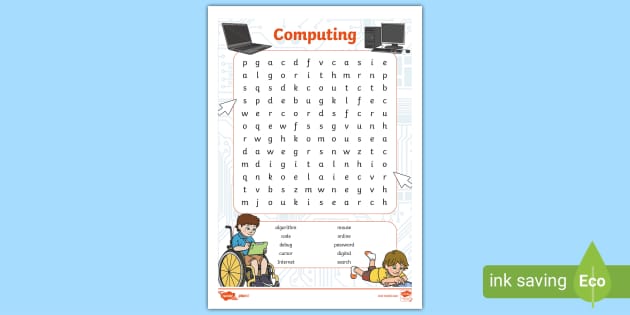
- Word search games where letters float in layers or planes
- Anagram challenges that allow players to physically rearrange letter groups
These examples illustrate that mixed reality does not reinvent word games. Instead, it refines how information is presented and manipulated, enhancing clarity and immersion without altering core rules.
Comparisons with mobile and desktop word games
Compared to mobile and desktop platforms, mixed reality offers a different balance of strengths. Mobile games excel at convenience and quick sessions, while desktop experiences support larger layouts and precision input.
Mixed reality sits between these models. It offers more space and focus than mobile devices, while remaining more relaxed and flexible than traditional computer setups. This makes it particularly suitable for longer, thoughtful word game sessions.
At the same time, mixed reality does not replace existing platforms. It complements them by providing an alternative context for players who value immersion, comfort, and sustained attention.
Limitations and realistic expectations
While mixed reality suits word games well, it is important to maintain realistic expectations. Hardware comfort, setup time, and learning curves still exist. Not all players will prefer wearing a headset for extended periods, even for calm activities.
Additionally, mixed reality word games tend to emphasize experience over portability. They are better suited to dedicated sessions rather than quick play during short breaks.
Understanding these limitations helps set appropriate expectations and highlights that mixed reality is an option, not a universal replacement.
Broader relevance for the future of word games
The long-term relevance of mixed reality in word games lies in its alignment with cognitive wellness trends. As more adults seek activities that combine mental stimulation with calm engagement, word games in mixed reality offer a compelling balance.
They support language skills, memory, and focus without demanding constant attention or physical effort. This positions them well within broader discussions about healthy screen use and mindful digital habits.
Mixed reality does not change why people enjoy word games. It simply offers a new environment that respects their cognitive nature and enhances their strengths.
In this context, mixed reality feels less like a technological leap and more like a natural extension of how word games have always worked. By giving language room to exist in space, it reinforces clarity, focus, and thoughtful play, qualities that have defined word games across generations.
