
Word puzzle games have long occupied a special place in digital entertainment. They are accessible, intellectually engaging, and often adaptable to a wide range of players, from casual users to those seeking structured cognitive training. With the emergence of spatial computing platforms such as Apple Vision Pro, word puzzle experiences are entering a new phase, one that emphasizes immersion, comfort, and natural interaction rather than speed or visual intensity.
This article explores how word puzzle experiences can be designed for Vision Pro, why they matter to a general audience, and what readers can realistically expect from this category. The focus remains on usability, cognitive engagement, and long-term relevance rather than novelty.


What defines a word puzzle experience in spatial computing
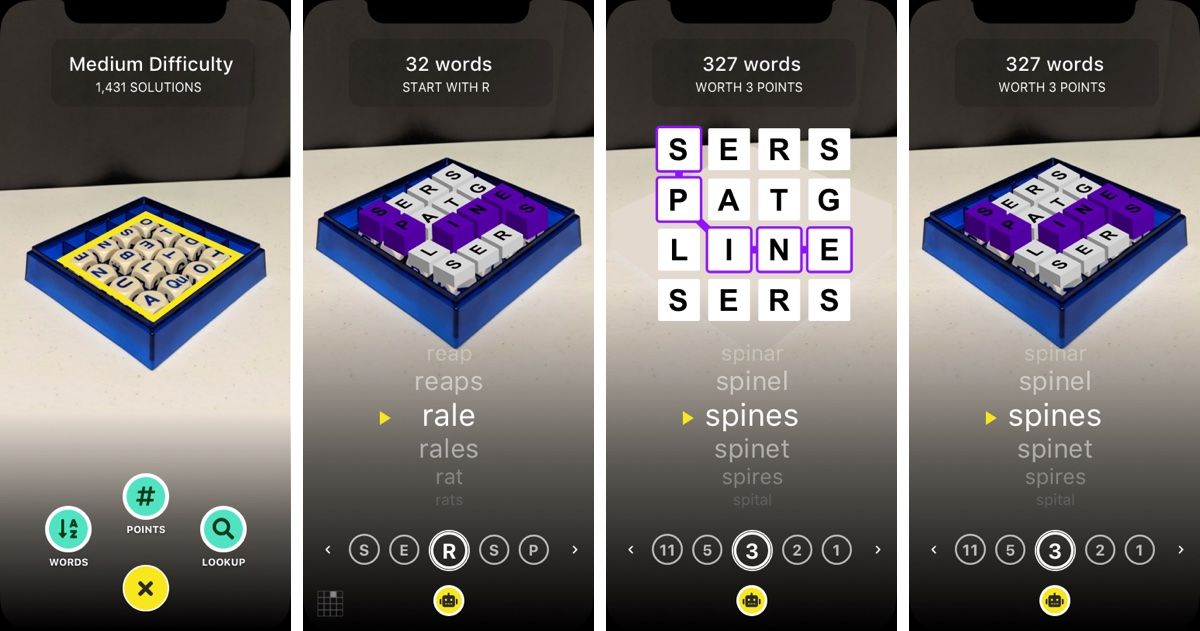
At its core, a word puzzle is a game or interactive activity built around language. Players may be asked to form words, recognize patterns, solve clues, or manipulate letters under specific rules. Traditionally, these games rely on flat screens, touch input, or keyboards.
In a spatial computing environment, the experience changes in three fundamental ways:
- The interface exists in three-dimensional space rather than on a fixed screen
- Interaction relies on eye tracking, hand gestures, and subtle movements
- The user’s physical comfort and attention span become central design considerations
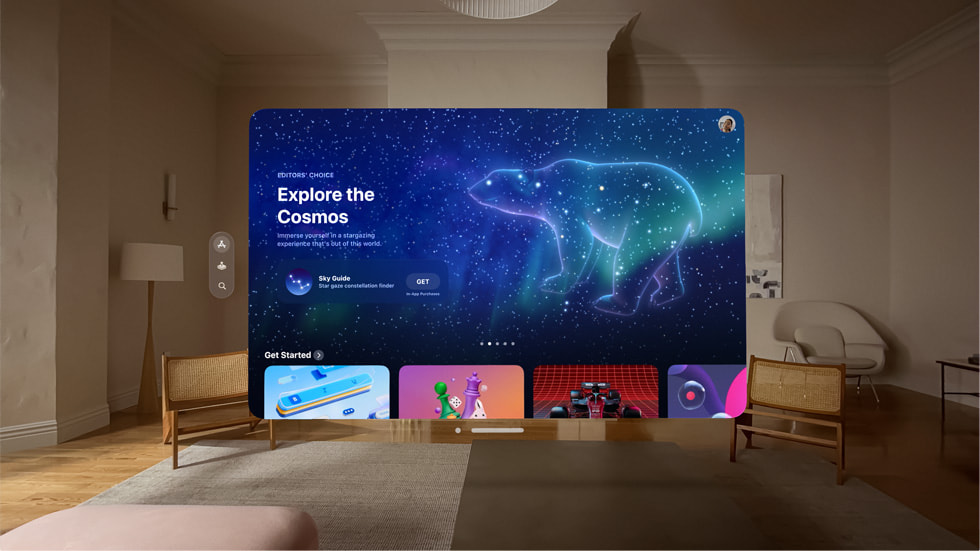
Instead of tapping letters on a phone screen, players may interact with floating tiles, word grids, or letter streams positioned naturally within their field of view. This shift does not redefine what a word puzzle is, but it changes how the puzzle is perceived and experienced.
Making word puzzles accessible to beginners
One of the strengths of word-based games is their low barrier to entry. This quality becomes even more important on a platform that may feel unfamiliar to first-time users.
For beginners, Vision Pro word puzzle experiences benefit from:
- Clear visual hierarchy, with readable typography and stable layouts
- Minimal reliance on complex gestures or multi-step interactions
- Gradual onboarding that introduces spatial elements without pressure
A well-designed experience allows the player to focus on language and problem-solving rather than on learning how to control the interface. Spatial elements should support comprehension, not distract from it.
Interaction methods and comfort considerations
Comfort plays a critical role in mixed reality experiences, especially during longer sessions. Word puzzles, unlike fast-paced action games, are often played for extended periods. This makes them particularly well suited to Vision Pro when designed thoughtfully.
Key interaction principles include:
- Using eye focus to select letters or words without forcing constant hand movement
- Allowing hand gestures to remain optional rather than mandatory
- Positioning content at a natural viewing distance to reduce eye strain
Because word puzzles do not require rapid reactions, they align well with slower, more deliberate interaction styles. This makes them appealing to adults who value mental engagement without physical fatigue.
Cognitive engagement in a spatial environment
Word games are often associated with cognitive benefits such as vocabulary reinforcement, pattern recognition, and sustained attention. While spatial computing does not change these fundamentals, it can influence how players engage mentally.
Spatial layouts can help by:
- Grouping related clues or word fragments visually
- Allowing players to organize information in space, supporting memory
- Reducing visual clutter through depth and focus rather than size alone
These elements may enhance concentration by making the environment feel calmer and more intentional. The experience becomes less about reacting to prompts and more about thoughtful exploration.
Practical examples of Vision Pro word puzzle design
Rather than focusing on specific titles, it is more useful to examine general design patterns that work well in this context.
Examples include:
- Crossword-style grids that float at eye level and expand when focused on
- Word association puzzles where related terms appear closer together in space
- Daily challenges presented as compact, self-contained sessions
Such formats respect the player’s time while taking advantage of spatial presentation. They also lend themselves to repeat engagement without requiring constant updates or complexity.
Comparisons with traditional word games
Compared to mobile or desktop word games, Vision Pro experiences offer a different set of trade-offs.
Advantages may include:
- Reduced screen fatigue due to adjustable positioning
- Greater sense of presence, which can aid focus
- More flexible use of space for organizing information
Limitations are equally important to acknowledge:
- Setup time is longer than opening a phone app
- Sessions may be less suitable for very short play intervals
- The experience depends heavily on comfort and personal preference
For many users, Vision Pro word puzzles are likely to complement rather than replace traditional formats.
Realistic expectations for players
It is important to approach Vision Pro word puzzle experiences with balanced expectations. These games are not designed to transform language learning overnight or to replace established educational tools.
Instead, they offer:
- A more immersive way to engage with familiar mechanics
- A calm, distraction-reduced environment for focused play
- An alternative format for users interested in spatial computing
Players who enjoy reflective, mentally engaging activities are more likely to appreciate this category than those seeking constant stimulation.
Long-term relevance of word puzzles on emerging platforms
Word puzzles have endured across decades and technologies because they adapt well. From newspapers to smartphones, their core appeal remains intact. Spatial computing represents another step in this evolution rather than a departure from it.
As hardware becomes lighter and more integrated into daily life, word-based experiences are well positioned to remain relevant. Their low intensity, flexible pacing, and universal language focus make them suitable for a wide audience.
Rather than relying on novelty, the strongest Vision Pro word puzzle experiences will succeed by respecting established design principles and prioritizing clarity, comfort, and meaningful engagement. In doing so, they reinforce why word games continue to matter, even as the platforms around them change.
